
2026 adalah tahun di mana merek-merek besar akhirnya mendorong teknologi mouse gaming maju
🌐 Konten masih dalam Bahasa Inggris. Terjemahan sedang diproses.
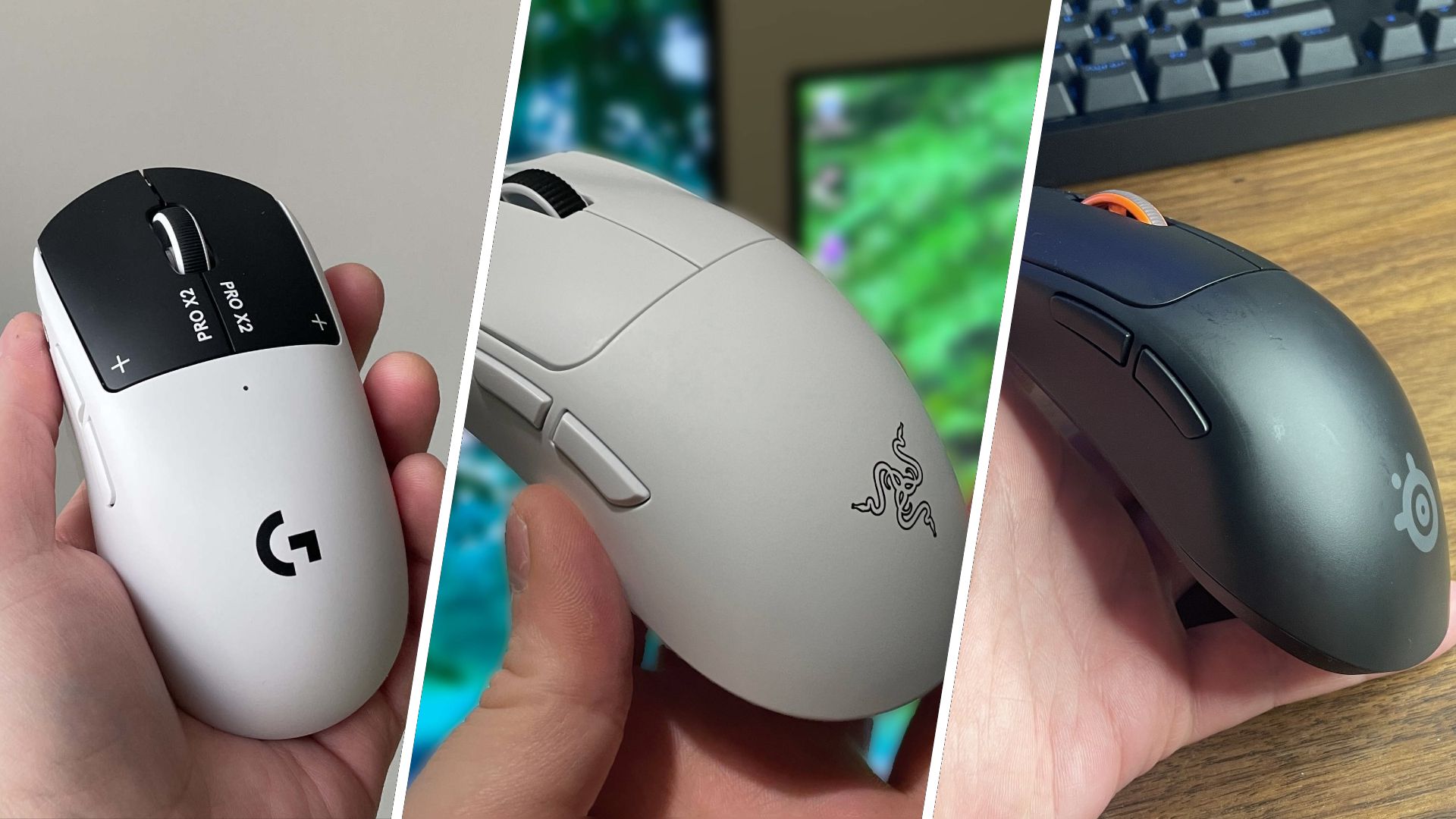

This week I've been: trying out the X3 Superstrike and Sensei Pro gaming mice, as well as a new Logitech Hall effect keyboard.
What comes to mind when I say 'big brand competitive gaming mouse'? If you're anything like me, that particular Rorschach test will make you spit out the word 'expensive.' That response isn't wrong, either: just look at the big releases we've had this year.
There was the Logitech G Pro X2 Superstrike: $180. The Razer Viper V4 Pro: $160. The SteelSeries Rival Pro and Sensei Pro: each $180. And there's an X3 Superstrike now, too, which is $200. These are some very expensive mice.
In previous years, I would have taken a dimmer view of this. Especially given the impressively competitive rodents you can pick up from niche Chinese brands these days. The $89 Mchose K7 V2 Ultra+, for example, is a Razer Viper V3/V4 Pro clone that performs very well and is plenty comfy.
And to be honest, even if fancy big brand mice are top-tier build quality, it's still a heck of a lot of money to ask for. The Rival Pro, Sensei Pro, and Viper V4 Pro specifically are truly fantastic on the build quality front, with the latter being practically flawless and cheaper than the rest, but they're all still very expensive.
So why isn't my view quite as dim as it could be? Because all of these releases have pushed the competitive gaming mouse scene forward in a way that probably only big brands can—both in terms of being able to absorb risk and also get new tech into as many hands as possible with big marketing campaigns.
In the case of Logitech, we have probably the most radical tech of all three: haptic-inductive (analogue) clicks. Then there's Razer, which has changed the way the sensor reports its data to save battery. And SteelSeries offers a few new things: primarily ultra-wideband (UWB) wireless connectivity and some changes to how it does polling (there are hot-swappable batteries, too, but those aren't completely new).
Logitech - analogue clicks
Analogue clicks let you adjust where the mouse button actuates, meaning you can have less time between deciding to click and actually clicking. It also lets you use rapid trigger, where you can re-click your mouse button as soon as you start to lift up on your previous click.
Razer - FrameSync
FrameSync is a technology that syncs up the mouse sensor's snapshots with when its microcontroller hands off that data to your PC. This means fewer sensor snapshots are required to maintain the same responsiveness, which ultimately saves battery.
SteelSeries - UWB and "true" 8K
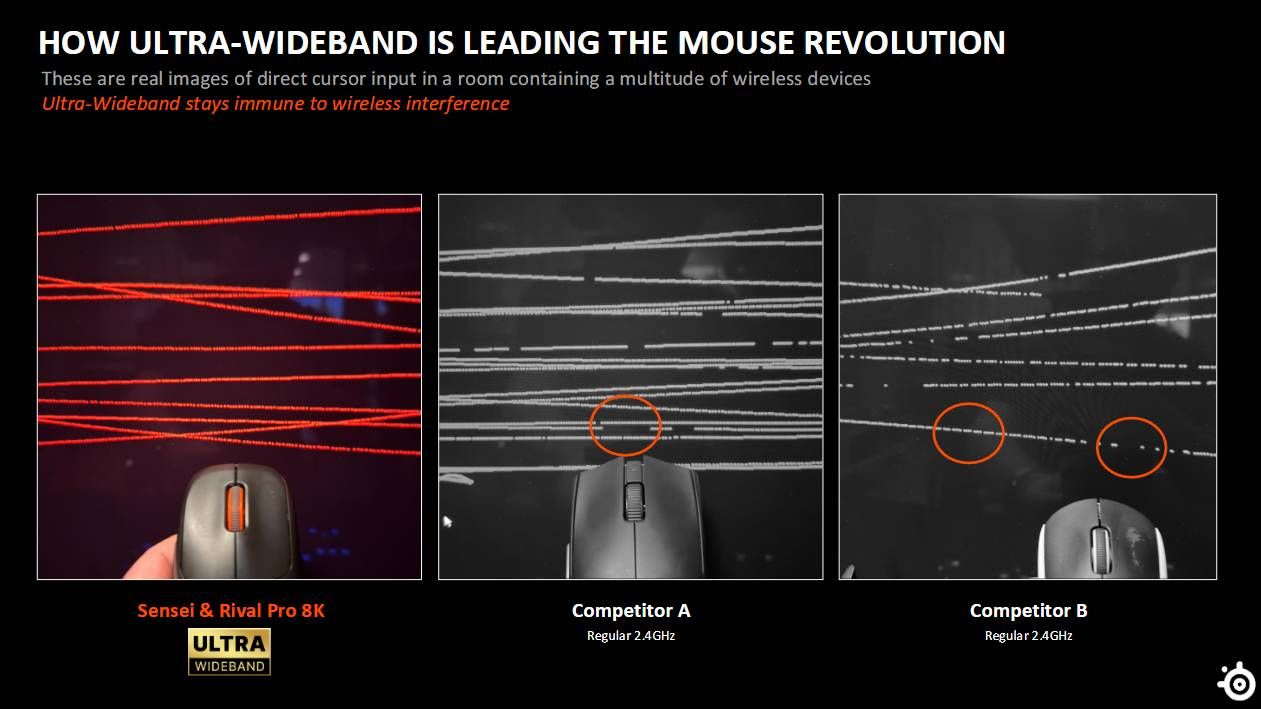
Ultra-wideband (UWB) lets your mouse connect to its dongle wirelessly over different frequency bands to the usual ones, supposedly improving reliability. "True" 8K refers to how, at 8 kHz polling, the mouse doesn't batch together data but sends one packet for one receipt.
Logitech's analogue clicks
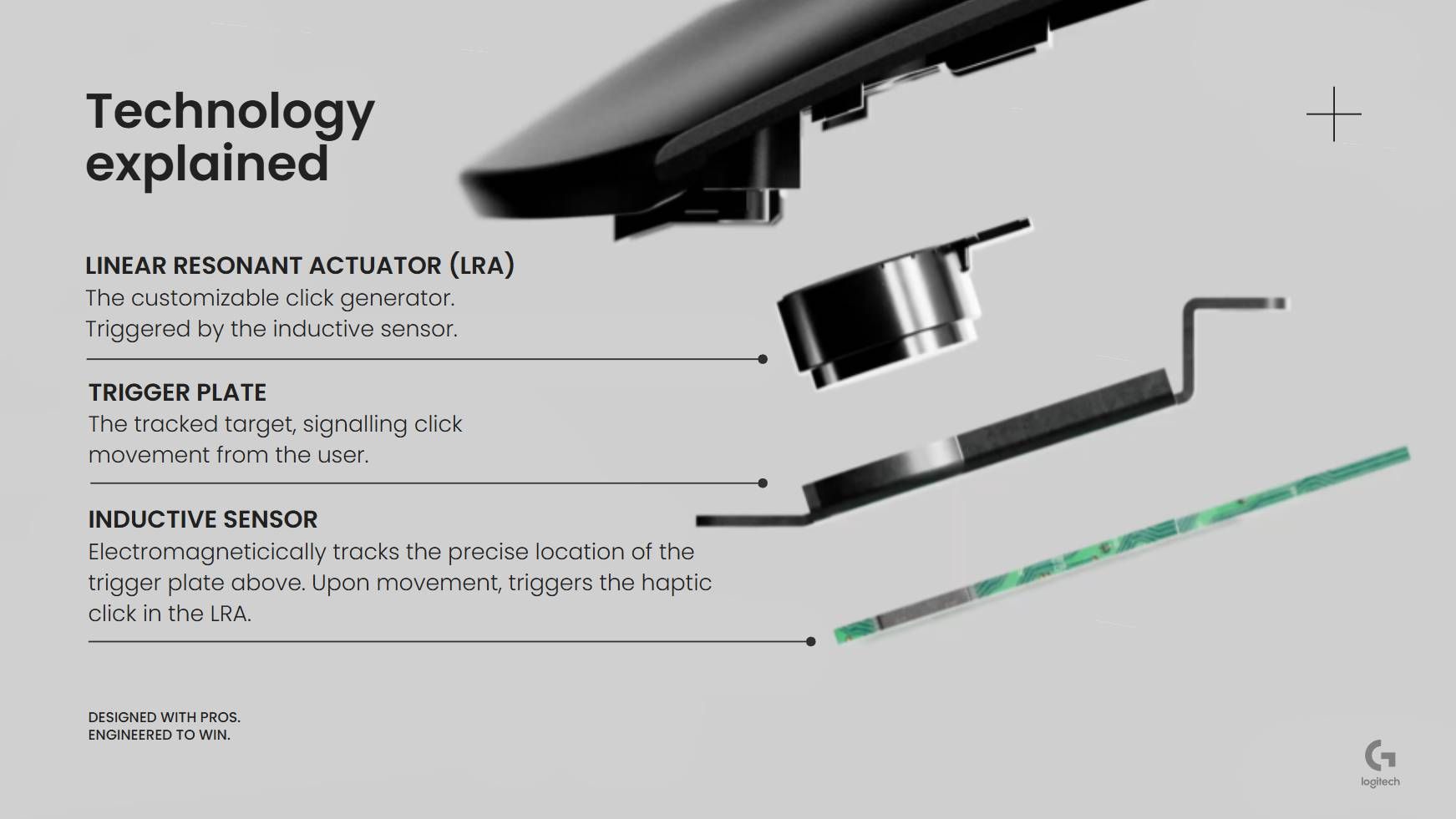
Logitech's Haptic Inductive Trigger System (HITS) combines, well, haptics and induction, of course. The result is the ability to change how much you need to press down your mouse button before it actuates and registers a click, with the haptics there to ensure you get the feeling of a click wherever you set it to.
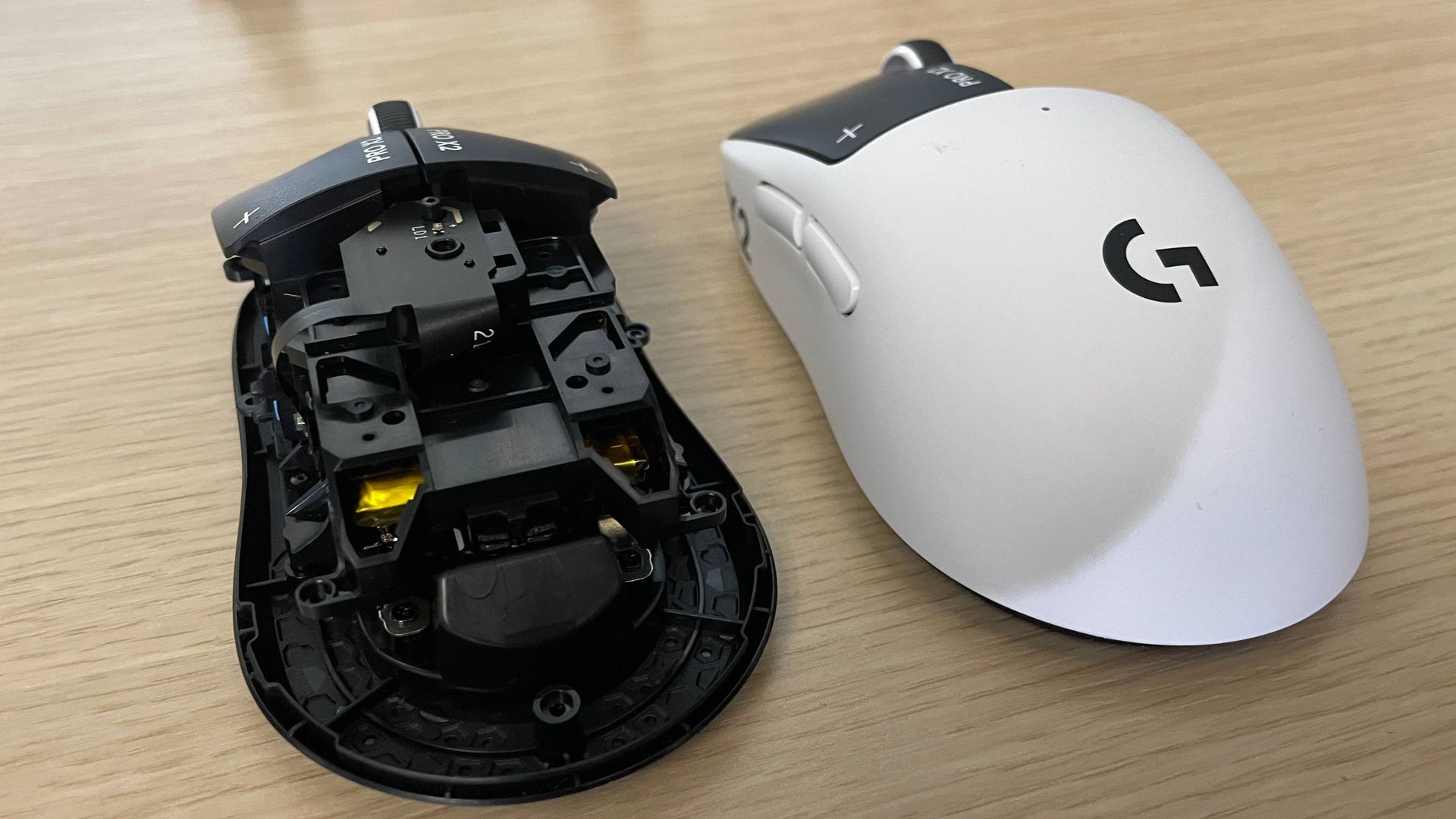
Logitech was the first to market with this tech. In fact, the company's head of engineering told me, "We knew we had a golden nugget in our hands... so we took all the shortcuts we could." Which probably goes some way towards explaining why an improved X3 Superstrike was released just seven months later—a fact that must surely sting some early X2 Superstrike buyers.
Since Logitech launched the X2 earlier in the year, we've seen that Keyhcron has been cooking up the "next gen mouse switch" which lets you choose between optical and magnetic within one switch, though its click feeling is static, meaning you won't be adjusting it to perfectly align with the actuation like with the Superstrike. We've also seen niche brand Finalmouse show off its TMR analogue clicks.
Razer's FrameSync
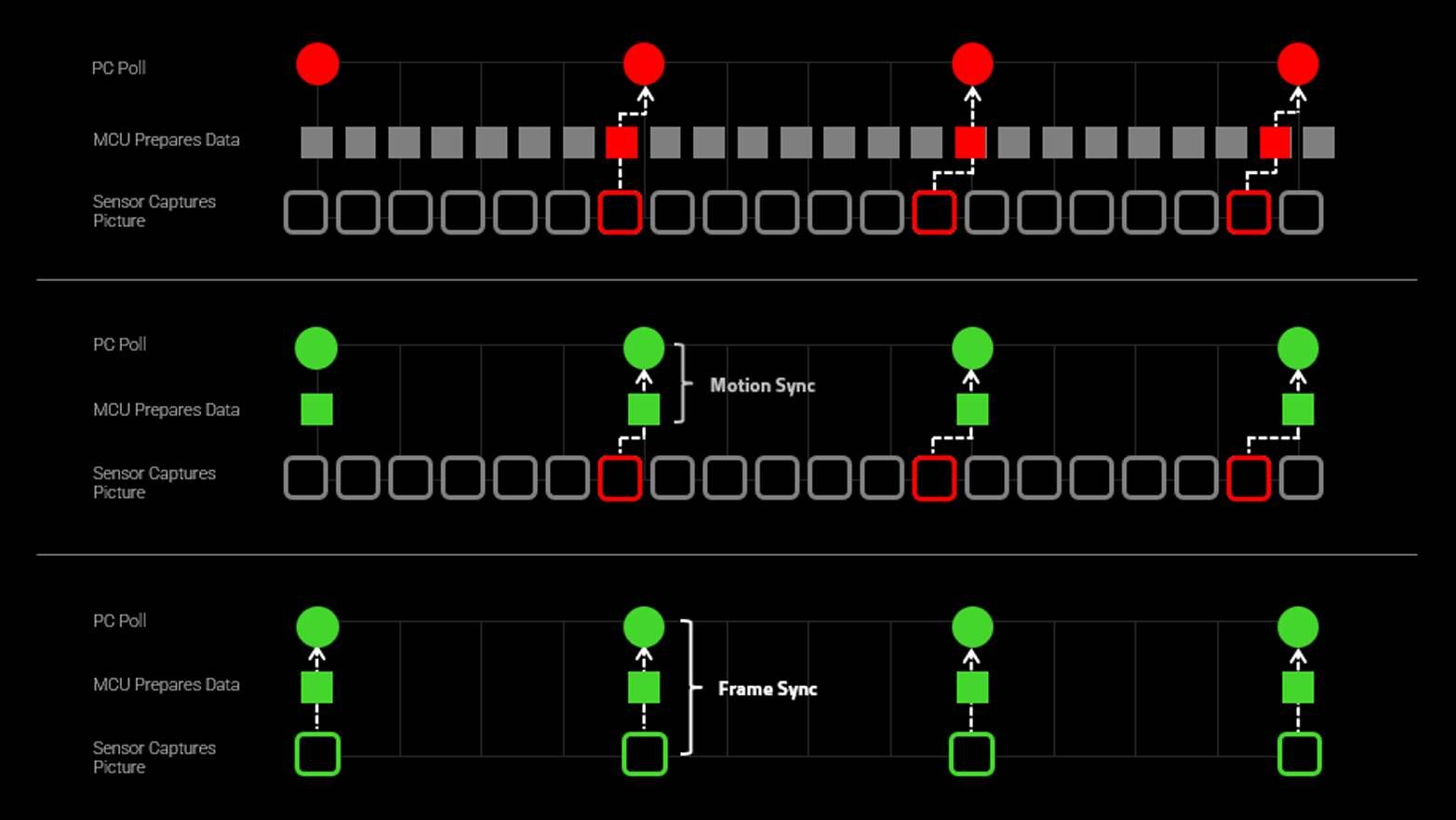
With the Viper V4 Pro, Razer introduced FrameSync—no, not Meta's FrameSync, something else. It essentially does for mice what VRR tech does for monitors, syncing up hardware with your system's polling. FrameSync ensures the mouse sensor's optical capture sync up with the microcontroller unit (MCU), ensuring it only captures the data when the MCU is polled by the PC and asks for it.
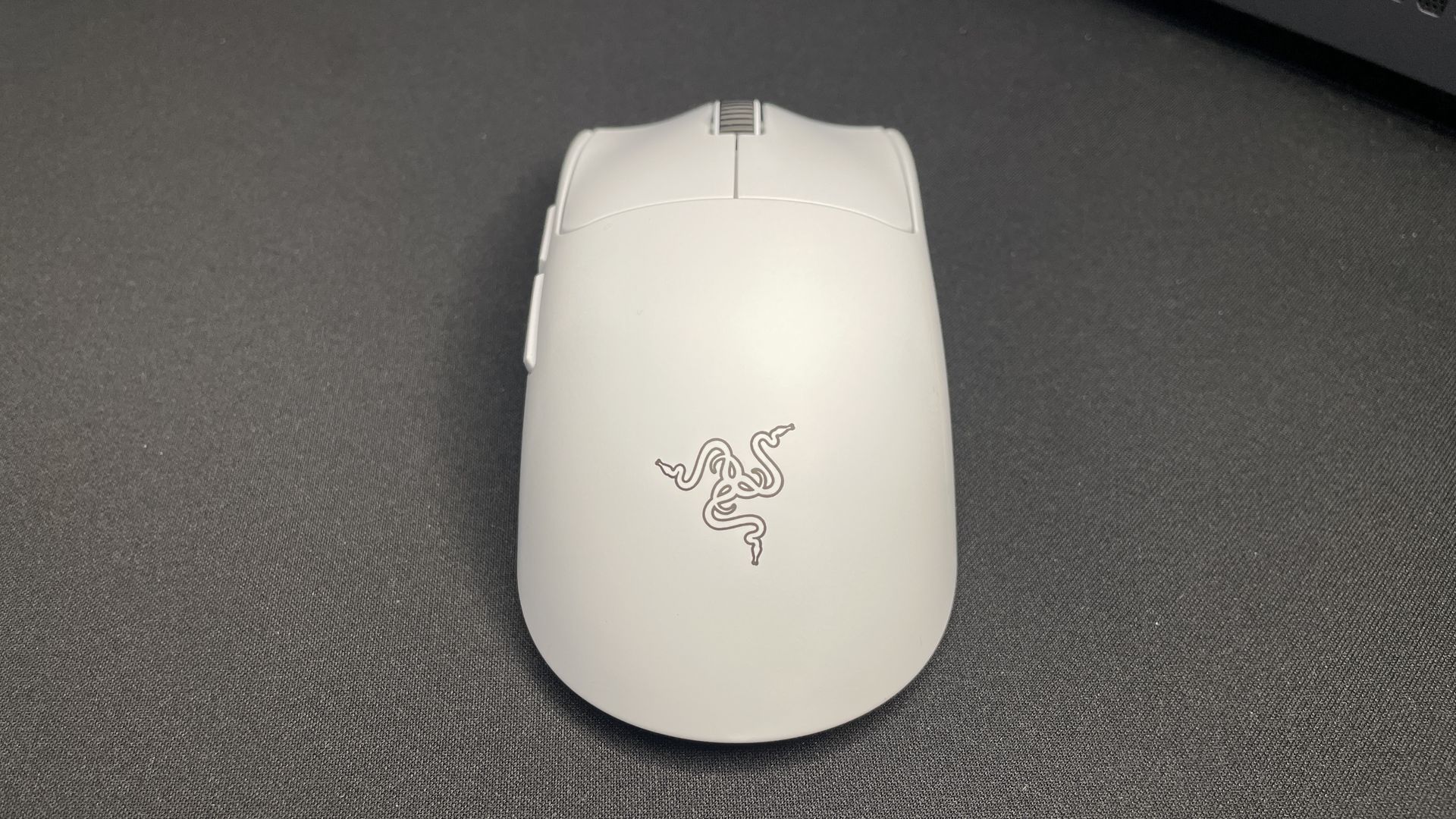
One benefit is potentially to latency and jitter, but a good sensor doesn't really struggle with those things anyway. The actual benefit is to battery life, for one simple reason: there are fewer sensor snapshots required. That's how the Viper V4 Pro manages up to 180 hours of battery life at 1 kHz polling, despite the very performant sensor.
As far as I'm aware, Razer is the only company offering this kind of tech (Motion Sync is different). And we've seen from independent testing that FrameSync is indeed doing what it says it does.
SteelSeries' UWB and "true" 8K
SteelSeries was the last to the 2026 'new competitive mouse tech' party, and its new technologies aren't quite as exciting as the ones mentioned previously, but are still great additions to the competitive mouse industry's toolkit. The new SteelSeries mice have hot-swappable batteries, and they're done well, but it's not the first company to have done so. It's the other technologies in there that are the newer ones.
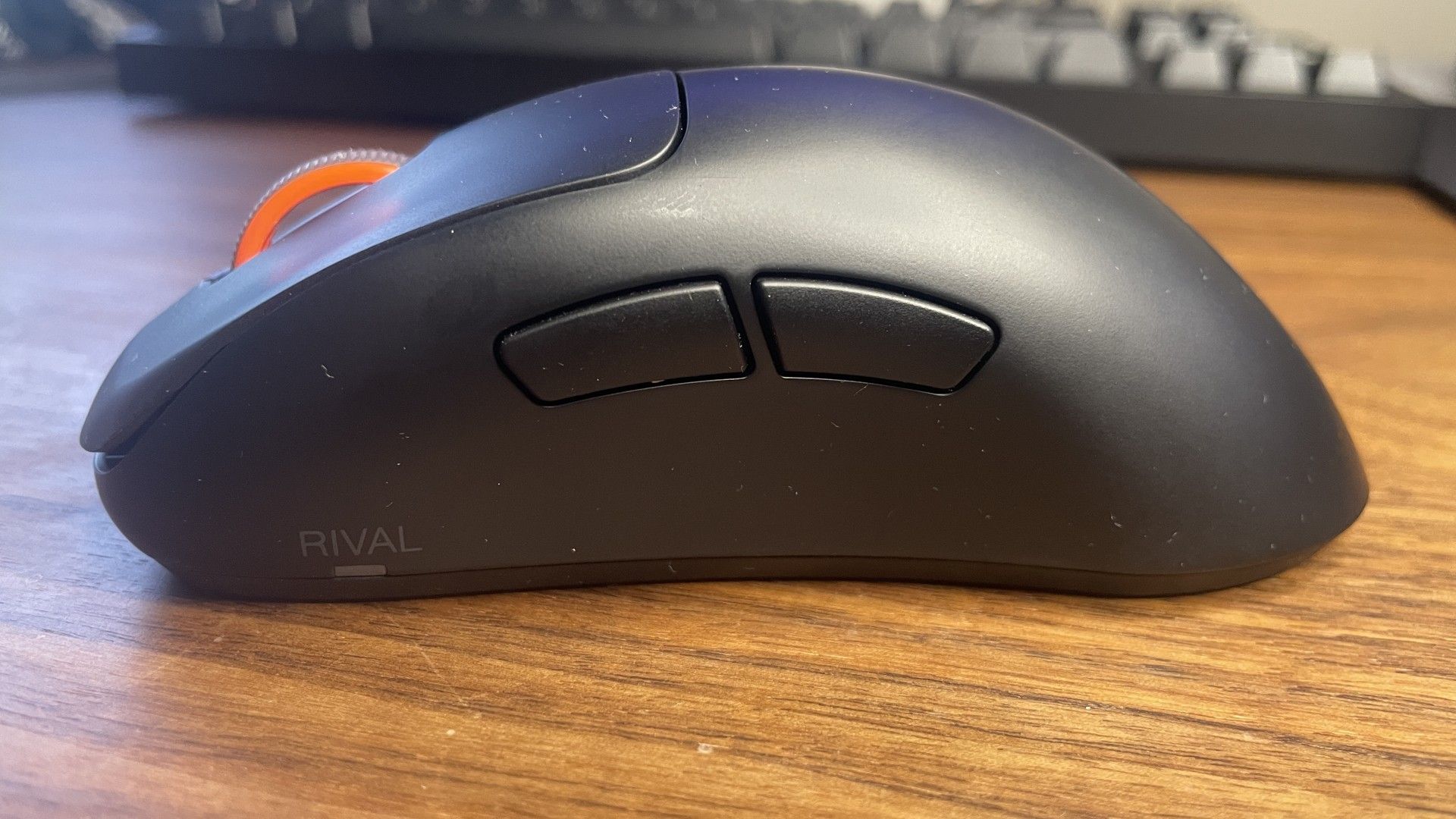
Read more about the collection of new technologies in the Rival Pro and Sensei Pro
SteelSeries is the first company, as far as I'm aware, to use ultra-wideband (UWB) in a mouse, apart from niche Japanese brand Elecom, which announced a similar mouse just a few weeks prior. The UWB promise is for more stable and reliable wireless connectivity. SteelSeries is also offering "true" 8K, as it claims its polling doesn't bundle up data packets but sends one packet for one receipt. Elecom makes similar claims about its mouse. SteelSeries also lets you have a lower sensor polling rate than click polling rate, but I think sensor polling is more important so I'm not too fussed about that feature.
None of these technologies on their own are quite as exciting as haptic clicks or synced sensors, but if other brands follow suit and add similar features to their mice, I certainly won't be complaining.
Big brands risk it, others follow
After learning about all that niche brands have to offer, such as Chinese ones that make 'clones' of well-known mice, I did wonder for a while whether big brands like Razer, Logitech, and SteelSeries can continue charging so much for theirs. After all, you really can get great-performing, comfy, well-built mice for much cheaper than these big companies charge for their own options.
Perhaps these big brands started wondering the same, and rather than charging less, instead decided to use their big bucks to take the risk of investing in developing new tech. I'm sure much of this was done selfishly—to have something new and shiny to offer that other brands don't—but the positive side-effect for us consumers is that these new technologies are sure to spread out across the industry.
We should remember that with all these gaming mice, the mouse makers themselves don't make all their internal components (though Logitech does design its own sensors). Sensors, switches, and the like, are usually made in collaboration with distinct manufacturers of those parts. Which means that the new mouse tech we've seen this year isn't likely to be wrapped up with just one brand forever, unless the companies have very deep hooks in patents and whatnot.
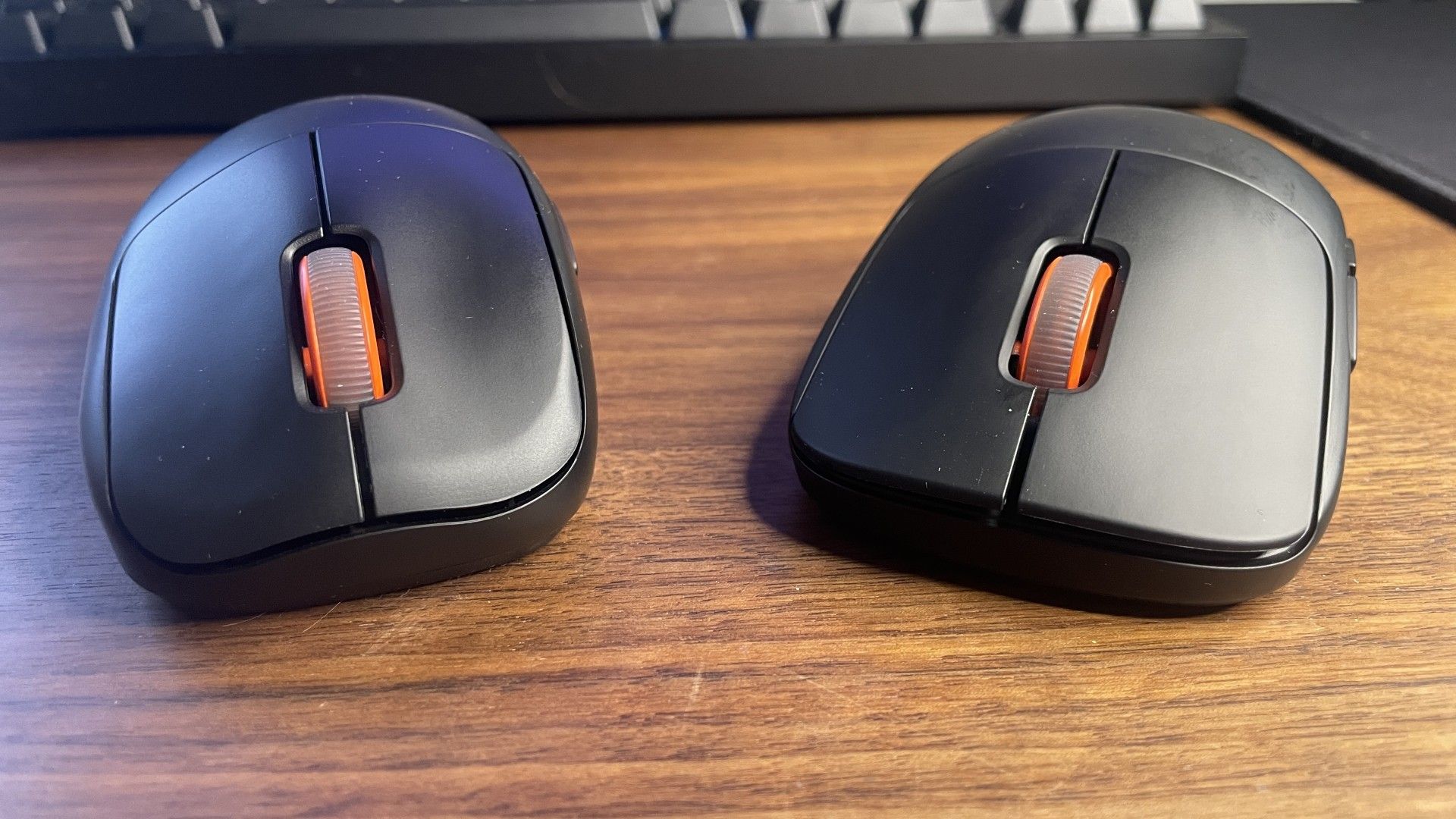
The fact that it's the big brands that have been taking on the risk of developing and implementing new tech also has the benefit of giving these technologies a stamp of legitimacy plus widespread marketing. Not everyone is a competitive mouse enthusiast, and most probably won't try a niche brand's mouse tech, however good it might be.
But taking the Superstrike as a paradigmatic example, Logitech is a big enough brand and has put enough marketing into its haptic-inductive click tech that people generally now accept that the technology is legitimate, useful, and marketable. Thus why other brands haven't been scared to follow suit. No doubt it helps to have some working models in the wild to see exactly how to make it work technically well, too.
All of this is to say that yes, top-tier competitive mice from big brands are ridiculously expensive these days. And yes, I'd still recommend picking up one of the many cheaper but still-quality options out there instead if you don't have a big budget. But I also have to hand it to the big brands for actually pushing the industry forwards in a way that's likely to stick. Rising tides to raise all boats, y'know?
Sumber: PC Gamer