
AMD dikatakan akan mengadakan pembicaraan dengan Samsung tentang membuat beberapa chip masa depannya untuk mengimbangi pasokan terbatas TSMC dari wafer mutakhir
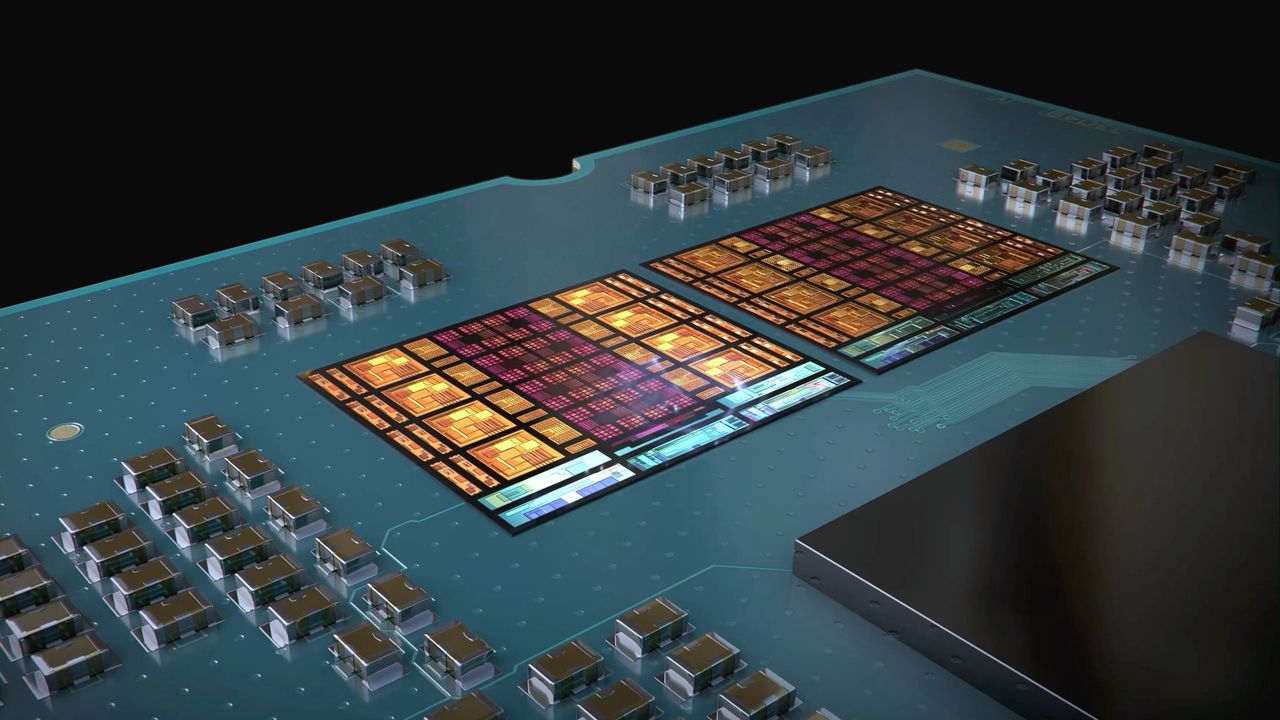
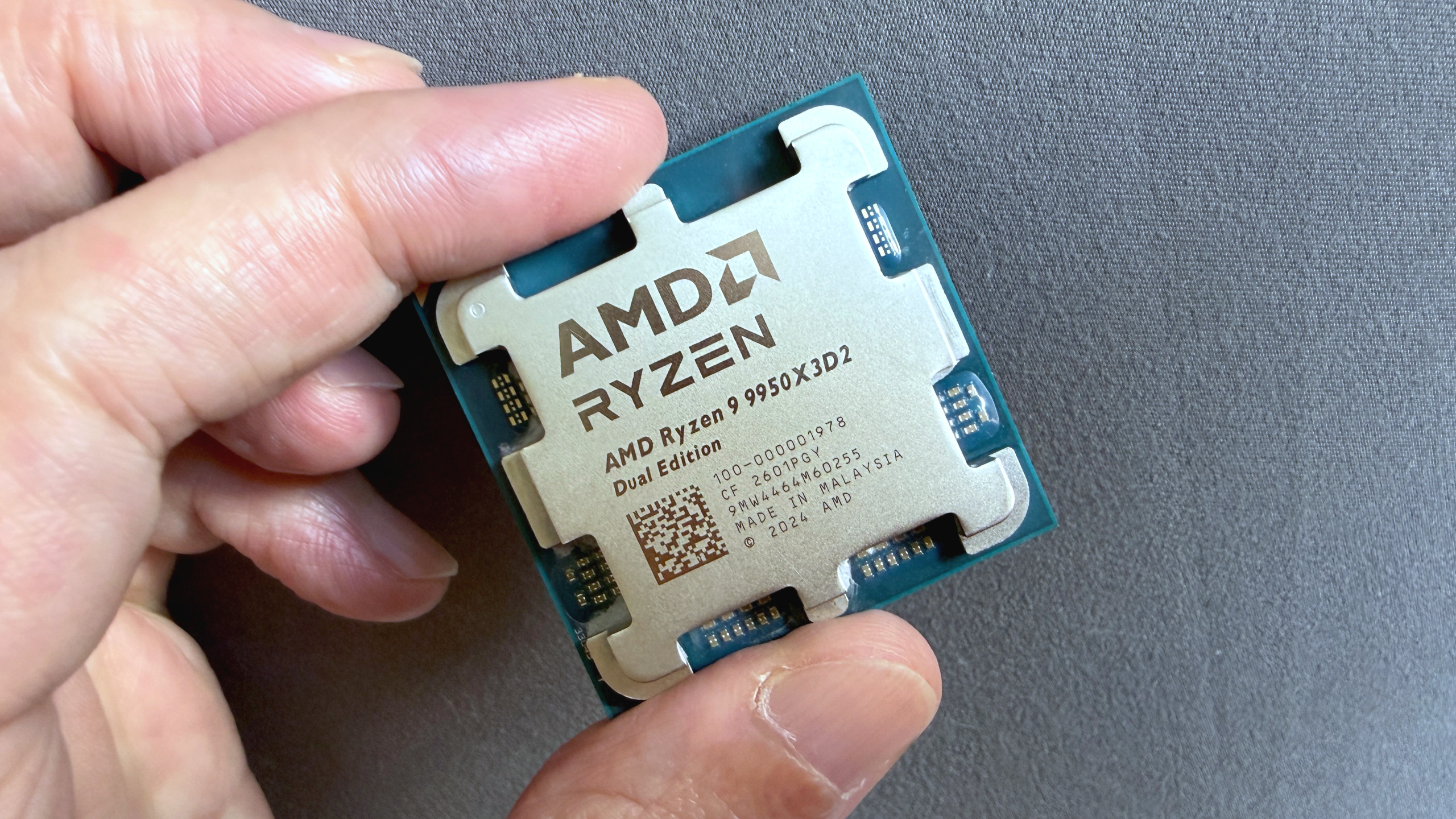
AMD and TSMC have enjoyed a very close working relationship ever since the former spun off its chip-making facilities into a separate business in 2008. Its latest Ryzen desktop processors, which comprise two or three chiplets, are made entirely by TSMC, but if one report is to be believed, future CPUs could well be made by the Taiwanese firm's biggest rival: Samsung.
That's according to Nikkei Asia (via Jukan on X), which claims that "AMD…is in talks to build some future CPUs with Samsung from 2028." Although the report says this snippet comes from "one source with knowledge of the situation," the publication explains that the discussions are due to capacity constraints.
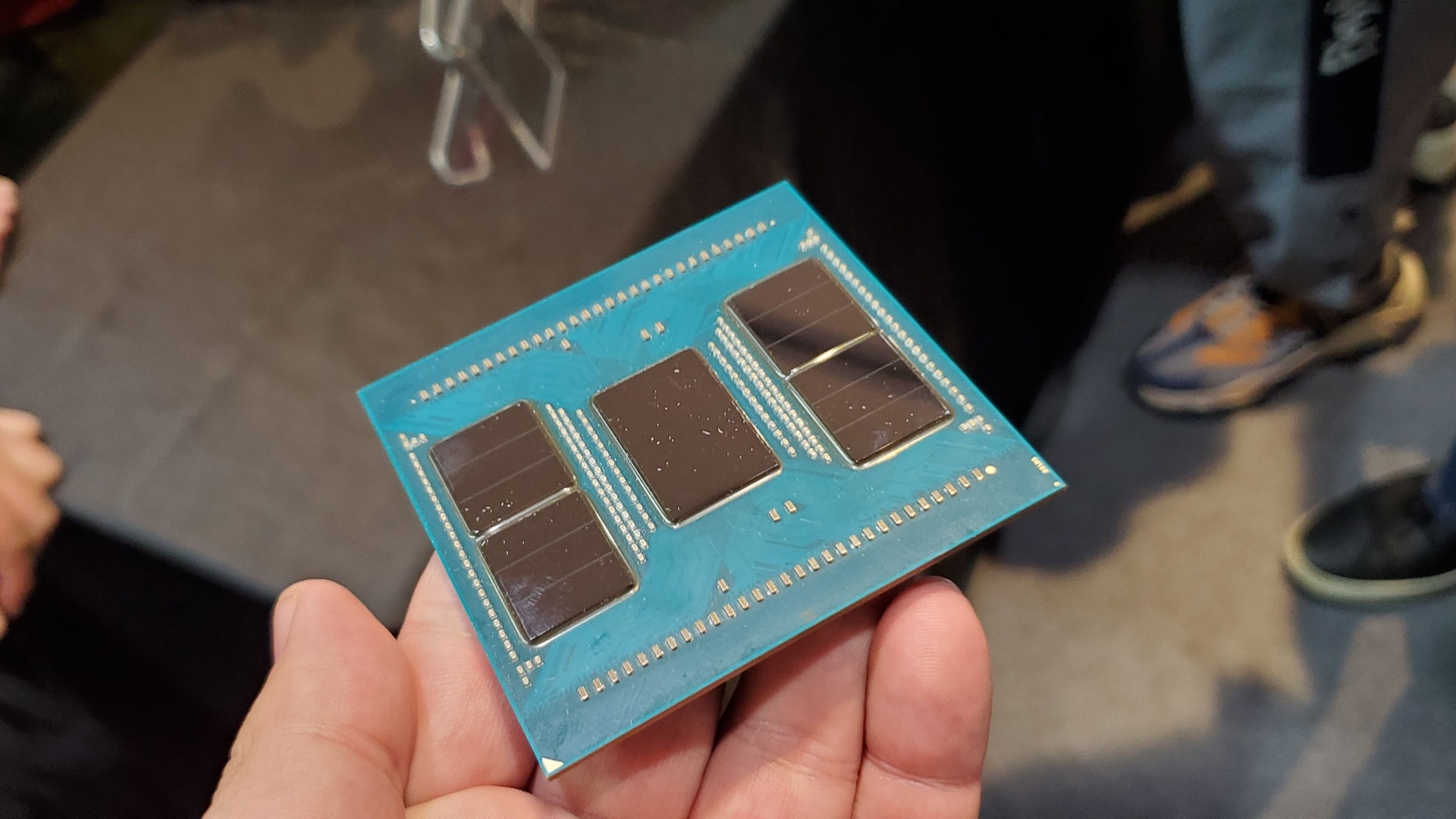
As things currently stand, AMD employs various TSMC node options for its products. The Ryzen 7 9800X3D, for example, has two chiplets under its heatspreader: a Core Complex Die (CCD) that's made on N4P and an Input/Output Die (IOD), which is fabricated on the cheaper N6 node.
The former node is heavily used by AMD, with all of its Ryzen AI 300 and 400-series laptop APUs also being fabricated on N4P, as well as its latest Radeon GPUs, but it also uses TSMC's N3 process to make some of its Zen 5c chips.
What we do know for sure is that AMD will be using TSMC's cutting-edge N2 process node for its next generation of Epyc server-grade processors, and while this is no guarantee that all Zen 6 chips will spring from these wafers, Nikkei Asia's remark suggests that this could well be the case.
Given its higher cost and relative newness, TSMC's N2 will probably be more restricted in capacity than N4, for example, and rather than limit its supply of consumer-grade processors to meet the demand of the AI market, it would seem that AMD is exploring the possibility of using the next best thing, i.e. one of Samsung's process nodes.
The question to consider here is just what processors the South Korean chip giant would make. To my mind, there are two main contenders: low-end APUs and the IOD for Zen 6 processors.
Budget-level CPUs are often just rebadged older products, occasionally with a mild architectural tweak or two, so they don't need to be made on the very smallest and most expensive of process nodes. AMD's IODs house a lot of analogue circuitry (to handle the interchiplet Infinity Fabric, DDR5 memory, PCIe, USB, etc), which doesn't scale particularly well with process node shrinks.
In other words, both are suitable to be used on a 'bigger', and thus cheaper, process node, and Samsung's 4LPP system would seem to be an ideal candidate. But why not just use TSMC's N4? After all, once Zen 6 launches in force, surely the demand for that process node will reduce in favour of N2?
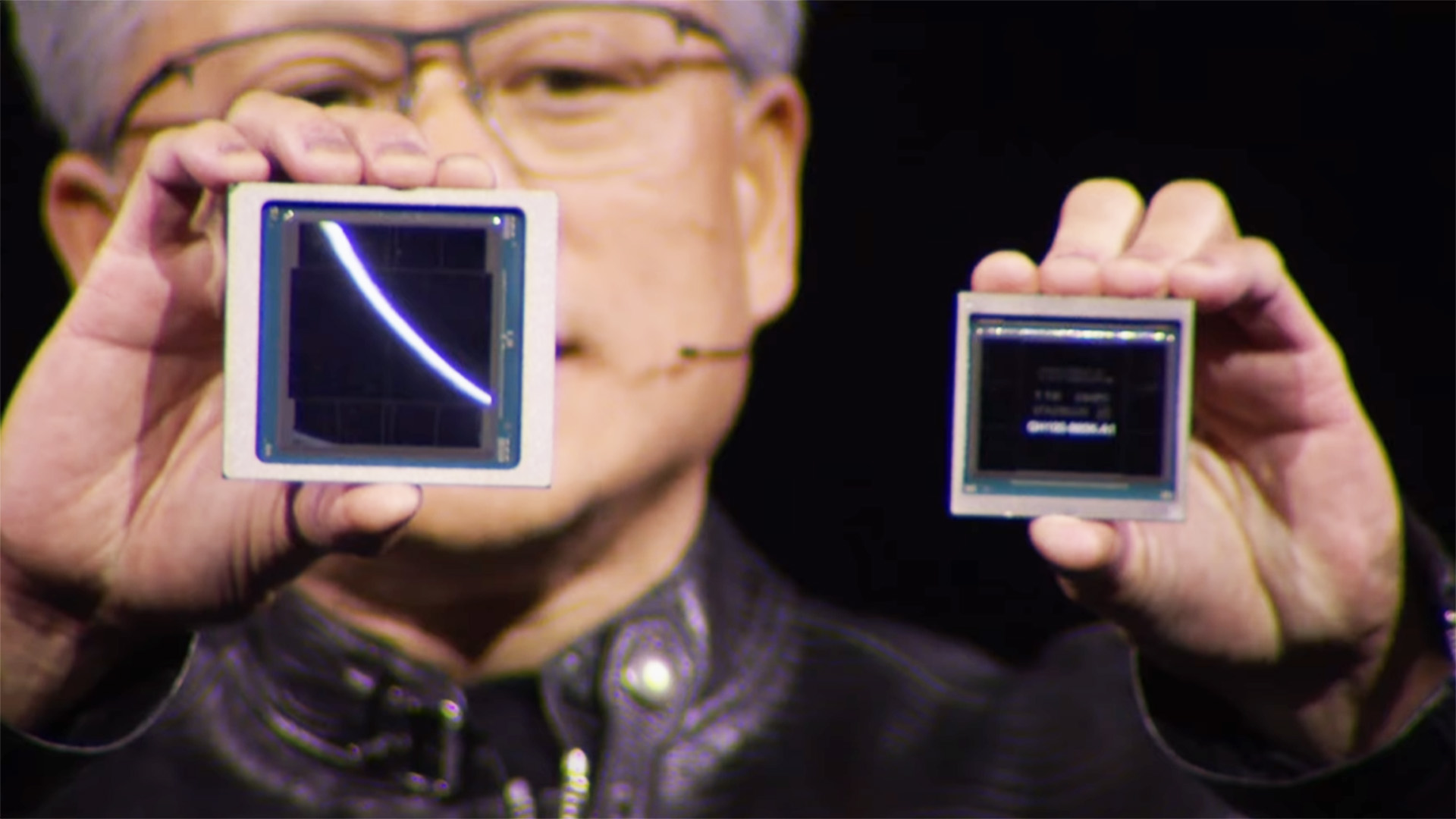
Well, possibly not, because Nvidia uses it for all its Blackwell AI chips and while it wants everyone and their grandparents to be using its Vera Rubin products, the current generation of megachips will still be in high demand by the time AMD releases its next series of processors.
However, the talks might not be about older process nodes at all, as rumours were floating around last year that AMD might use Samsung's 2 nm system, in conjunction with TSMC's similarly named node, for its future chips. We could possibly see two 'types' of Zen 6 CCDs: cutting-edge TSMC ones for Epyc processors, cheaper and slightly slower Samsung ones for Ryzen CPUs.
Then again, it might not actually be about wafer capacity and instead just be a simple matter of cost. With the global memory crisis causing DRAM and NAND flash prices to rocket through the stratosphere, the PC industry is somewhat in decline at the moment, with a reduction in shipments across every sector bar data centers (which is very much doing the opposite).
AMD and all its rivals will be considering every possible option to reduce the cost of making processors, and if Samsung is broadcasting that it can significantly undercut TSMC, you can certainly see why chip firms would be lining up to discuss using their services.
For PC gamers, none of this really matters, of course. Regardless of how potent or poor the next generations of CPUs or GPUs turn out to be, they're not going to be cheap enough to offset the fact that DDR5 memory kits and SSDs are now between three and five times more expensive than they were this time last year.
Sumber: PC Gamer