
Ketika Xbox mengincar PHK, CEO Microsoft mengatakan videogame-nya tidak cukup dimonetisasi—jadi bukan game yang dibatalkan atau kesepakatan $ 68,7 miliar atau pengeluaran AI yang berlebihan, maka
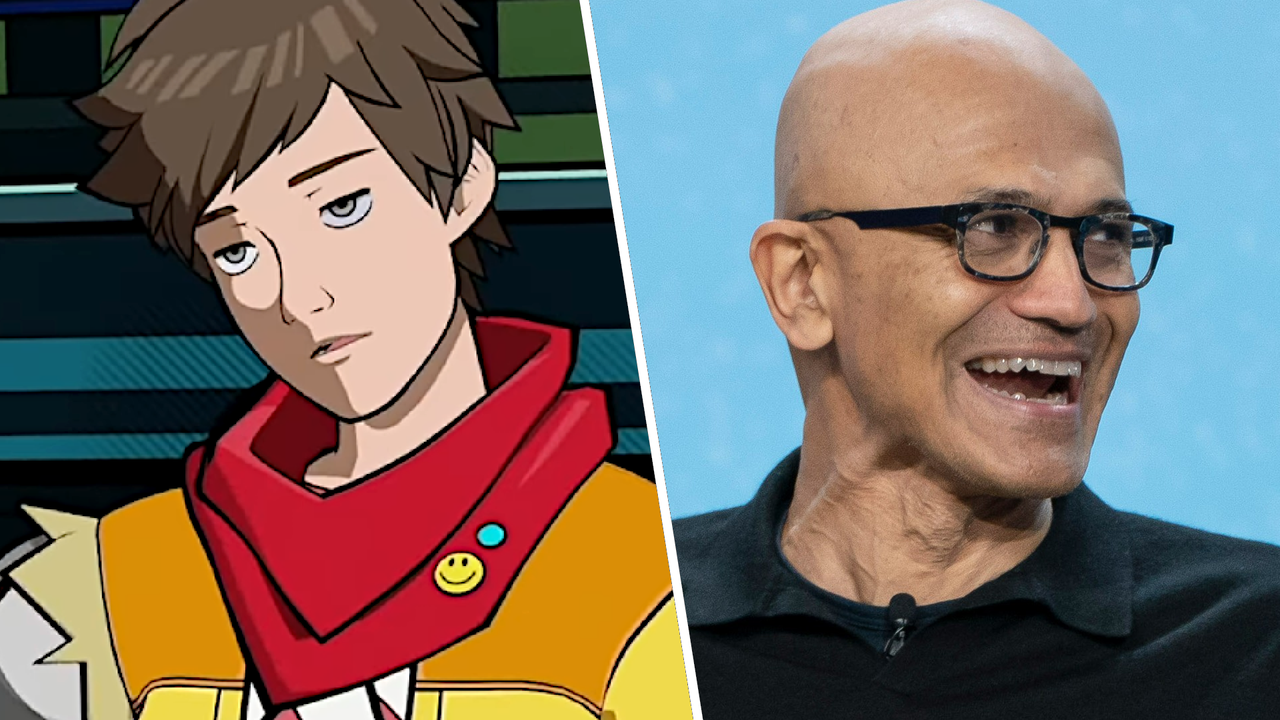
What's the problem with Microsoft's attitude towards videogames, one might ask? Could it be acquiring Activision-Blizzard for $68.7 billion and then laying off 1,900 people? Could it be shutting down projects that've been in development for years, which were actively liked by leadership? No, it's the monetisation that's the problem, obviously. Dummy.
So sayeth Microsoft CEO Satya Nadella in the wake of Xbox CEO Asha Sharma's ominous call for a "reset", per a recent New York Times event (thanks, Kotaku):
"The challenge we have is we’ve not been monetizing that entertainment. In fact, if anything, we’ve been subsidizing that entertainment. In fact, there’s more monetization of Xbox games happening on YouTube than at Microsoft."
If that gives you the same pit in your stomach that it does me, then you're probably good at pattern recognition—the idea that games are undermonetised smacks to me of the kind of bullheaded nonsense that has had Nadella whine about everyone being mean about AI in the past.
Nadella does go on to say: "That doesn’t mean we go do things that are unnatural. We want us to do what is really our job, which is to build great games, build great hardware, but we’ve got to do it in an economically sustainable way.
"100 days in, [Asha] put out a post saying in the next 100 days, she’s going to take a fresh look and make sure we deliver on what our fans expect of us both on the hardware side or on the publishing side."
And, hey, in fairness, it's not as though Nadella's alone in pointing out a problem—people who are a little more experienced than him in making games have pointed out that the industry's in dire straits.
Just last week, I was speaking to the guy who helped make Ultima Online and Star Wars: Galaxies about game budgets spiking and the trouble it was causing the MMO industry. To re-quote Raph Koster here: "1997, Ultima Online, $2 million dollars. Star Wars Galaxies, 2003, $10-$12 million dollars. World of Warcraft, 2004, $63 million. Star Wars: The Old Republic, which embraced all of the things I said more than any other MMO? Over $200 million."
Mark Darrah, a former BioWare producer, also makes a halfway decent point when he says that videogames haven't quite figured out a healthy version of monetisation, even if I'm not so sure on his conclusion that we should be aping the way movies do it.
Basically, something is wrong. But for the reasons I alluded to from the outset (and more, including Mr. Nadella saying we must "do something useful" with AI before we "lose even the social permission to take something like energy, which is a scarce resource" back in January), I'm not sure Microsoft is going to be the company that figures that one out.
What I do fear is that we'll be saying goodbye to a lot of other promising projects smothered in the cradle like Project Blackbird, or Blizzard's survival MMO, or Hi-Fi Rush studio Tango Gameworks, or Arkane Austin, or—you know what, my colleague Wes Fenlon does a very good job of outlining it in this feature. While you go read that, I'm gonna go cross my fingers that the impact of Microsoft's new ambitions is minimal.
2026 games: All the upcoming games
Best PC games: Our all-time favorites
Free PC games: Freebie fest
Best FPS games: Finest gunplay
Best RPGs: Grand adventures
Best co-op games: Better together
Sumber: PC Gamer