
Salah satu pendiri BioWare berjuang untuk membuat Baldur's Gate 3 selama lebih dari satu dekade, kemudian Larian melakukannya sebagai gantinya: 'Saya tidak benar-benar cemburu'
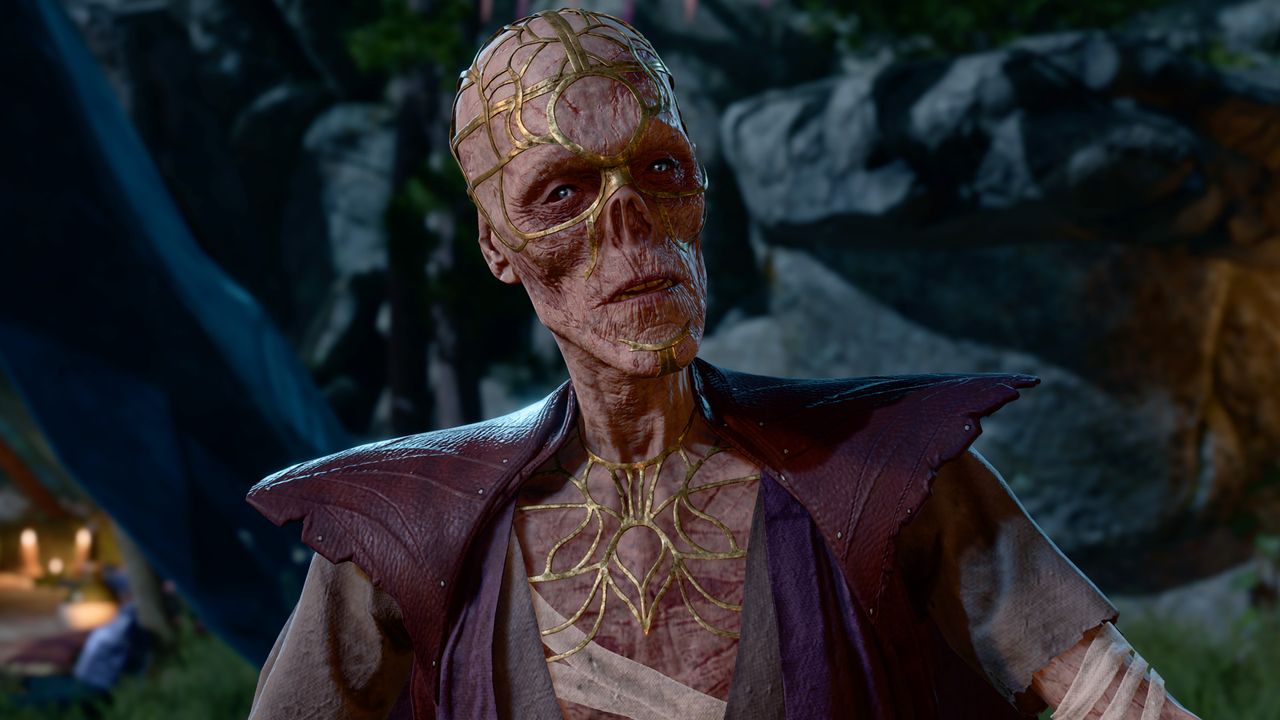
"We could not convince people to fund Baldur's Gate 3," says Trent Oster. It's a stunning statement to hear now, on the other side of Larian's smash hit bear sex extravaganza. But for two decades beforehand, other developers tried and failed to get Baldur's Gate 3 made.
The first was Black Isle, which slapped the title on a doomed D&D game in the early noughties, when the ailing RPG studio was slipping from one cancellation to another. Then, half a decade on, Obsidian took a shot at Baldur's Gate 3—starting work on a third-person, party-based RPG that in some ways would have resembled Mass Effect, only with a much more expansive style of exploration. Atari Europe's sale to Bandai Namco put paid to that plan, ending Obsidian's discussions with the publisher. But a third studio began its own push soon afterwards: Oster's own Beamdog.
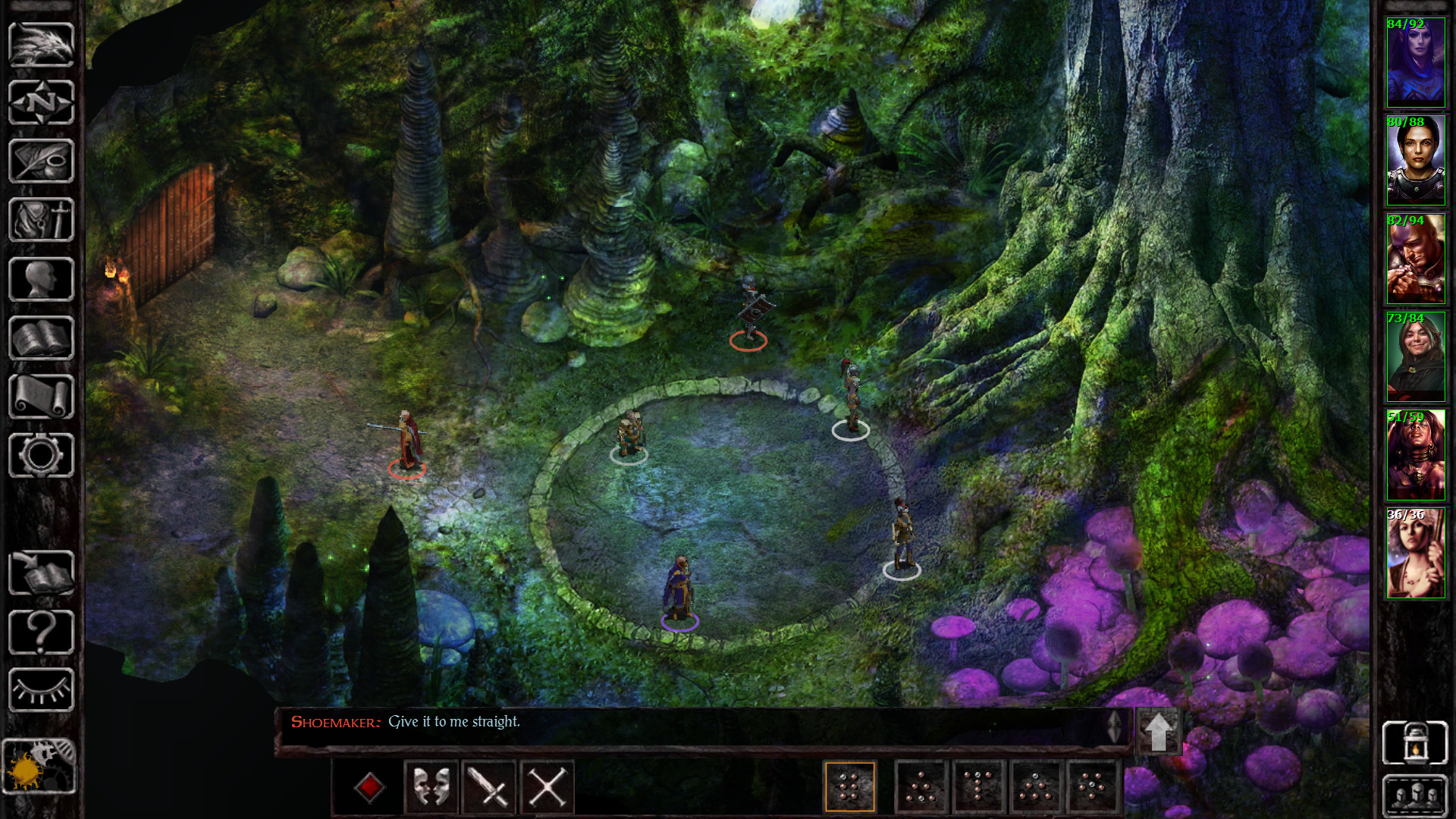
If Oster was persistent in pursuing Baldur's Gate 3, it's because it was personal. As a co-founder of BioWare, he worked on the 1997 original, before directing Neverwinter Nights. Even now, he's best known as the de facto custodian of BioWare's early works. If you're playing those games today, you're probably running Beamdog's Enhanced Editions.
But Beamdog always intended to be more than museum curators. It was 2014 when Oster first told me he was hoping to make a Baldur's Gate sequel. And in 2016, Beamdog put out an expansion to the original game, Siege of Dragonspear. Unfortunately, the majority of the team behind it fell apart in the wake of targeted Gamergate attacks.
"We were sailing down the river and then all the cannons opened up so we just shut all the hatches," Oster told me a few years ago. "And you could hear cannonballs bang the hull, and everybody was just huddled down inside. It basically fractured that team. It drove some of them out of the industry."
Nevertheless, Beamdog regrouped, and recruited Dragon Age scribe David Gaider as creative director. During his two year stint at the company, Beamdog proposed a version of Baldur's Gate 3 to Wizards of the Coast.
Our Baldur's Gate 3 wasn't as big picture as what Larian pitched.
Trent Oster
"Our Baldur's Gate 3 wasn't as big picture as what Larian pitched," Oster says today. "Obviously, we were doing it at a much smaller scope. It wasn't going to be a $100 million game. I think we were pitching it in the $20 million range."
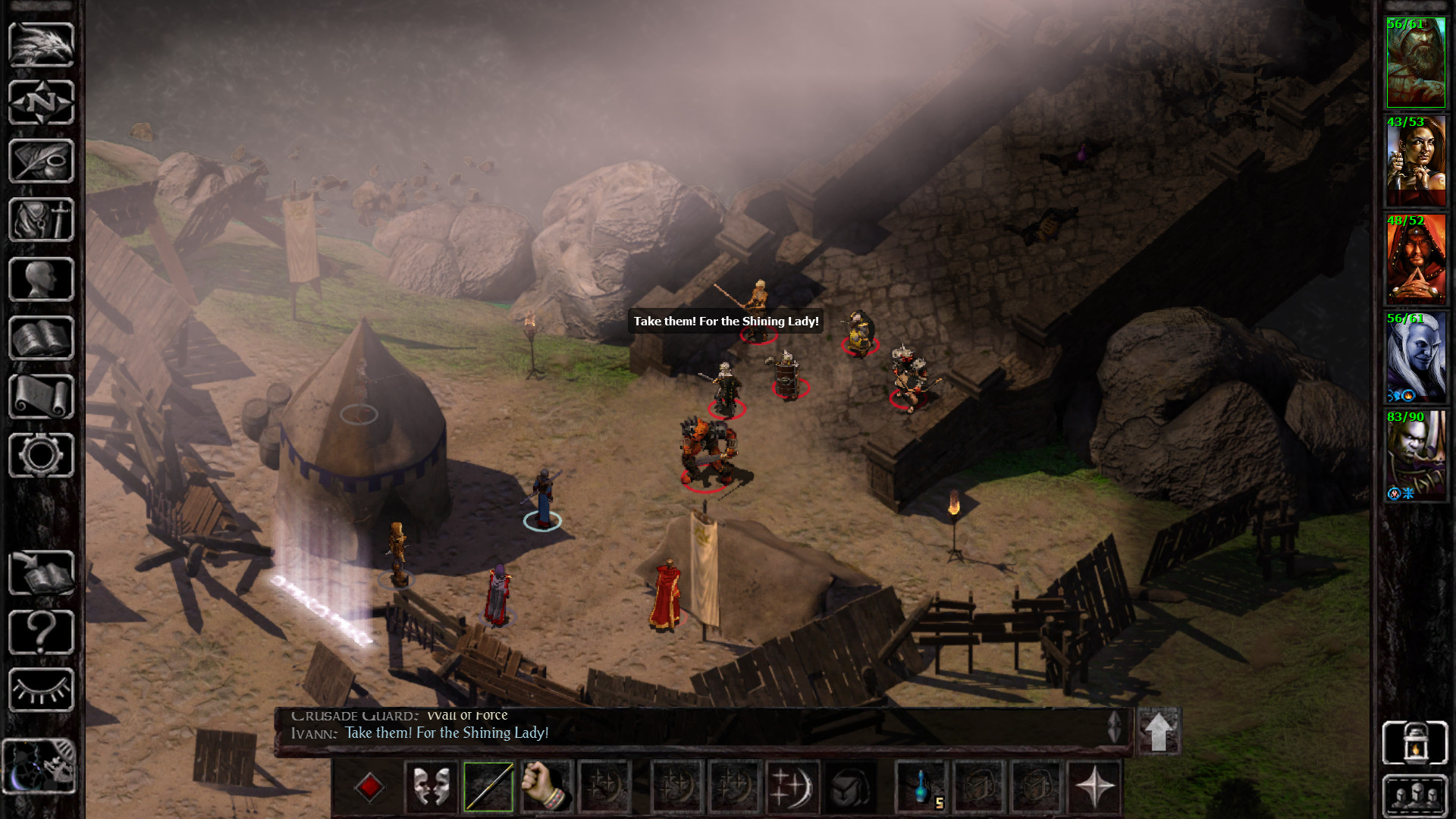
The game would have mimicked the original's isometric view, but in a 3D engine—Unreal, specifically. "It would have stayed pretty close to the formula," Oster says. "I think we were pretty tight with just carrying forward what worked."
Rather than adopt a turn-based system, as Larian later would, Beamdog intended to stick with Baldur's Gate's original combat style: real-time with pause. "At its heart, real-time with pause is a compromise," Oster admits. "It's allowing things to flow until the moment you get worried, and then you need to pause it. And the pausing allows you to take the time to make those decisions and execute at a higher tactical level. But because you can pause, the entire game has to be balanced around the fact that you could pause at any time. Which then forces you to pause all the time. So it's a sticky mess."
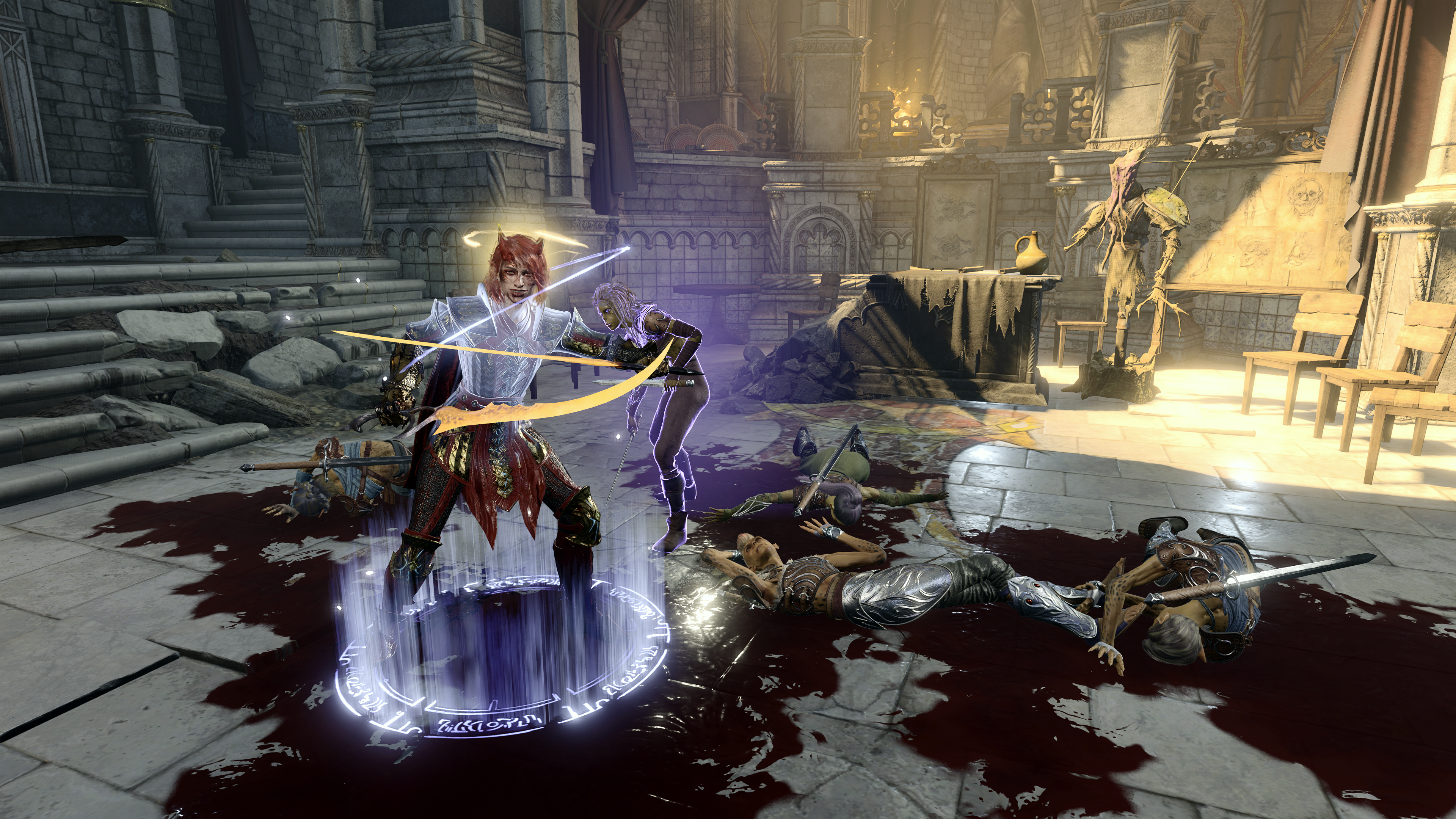
Still: a compromise is better than the alternative, according to Oster. "I have an Achilles heel, which is that the older I get, the less patience I have for slow-moving games," he says. "To me, real-time with pause walks a line that I kind of like. If you're rolling into a fight and it's just some goblins, you mow them down, it takes six seconds. Whereas in a turn-based game, you allocate 20 minutes to just beating up six goblins."
I have an Achilles heel, which is that the older I get, the less patience I have for slow-moving games.
Trent Oster
So why didn't Beamdog's Baldur's Gate 3 move forward? Wizards of the Coast wasn't up for footing the bill itself, and other publishers weren't biting. "It came down to funding," Oster says. "All the companies out there were like, 'It's a singleplayer RPG, it's not going to do that big in numbers, and Wizards owns the IP. So why are we spending our money to increase the value of their IP? Why don't we do our own IP?'"
As a result, Beamdog wound up pitching a different RPG named Cold West. "The idea was that all the fairies and monsters of Europe fled west to the New World as Europe continued to become overpopulated," Oster says. "The humans just came behind them, and they finally decided, 'Well, screw it, we're going to make a stand here'. And it was basically Wild West fairies, vampires and ghouls, against gunslingers and spellslingers."
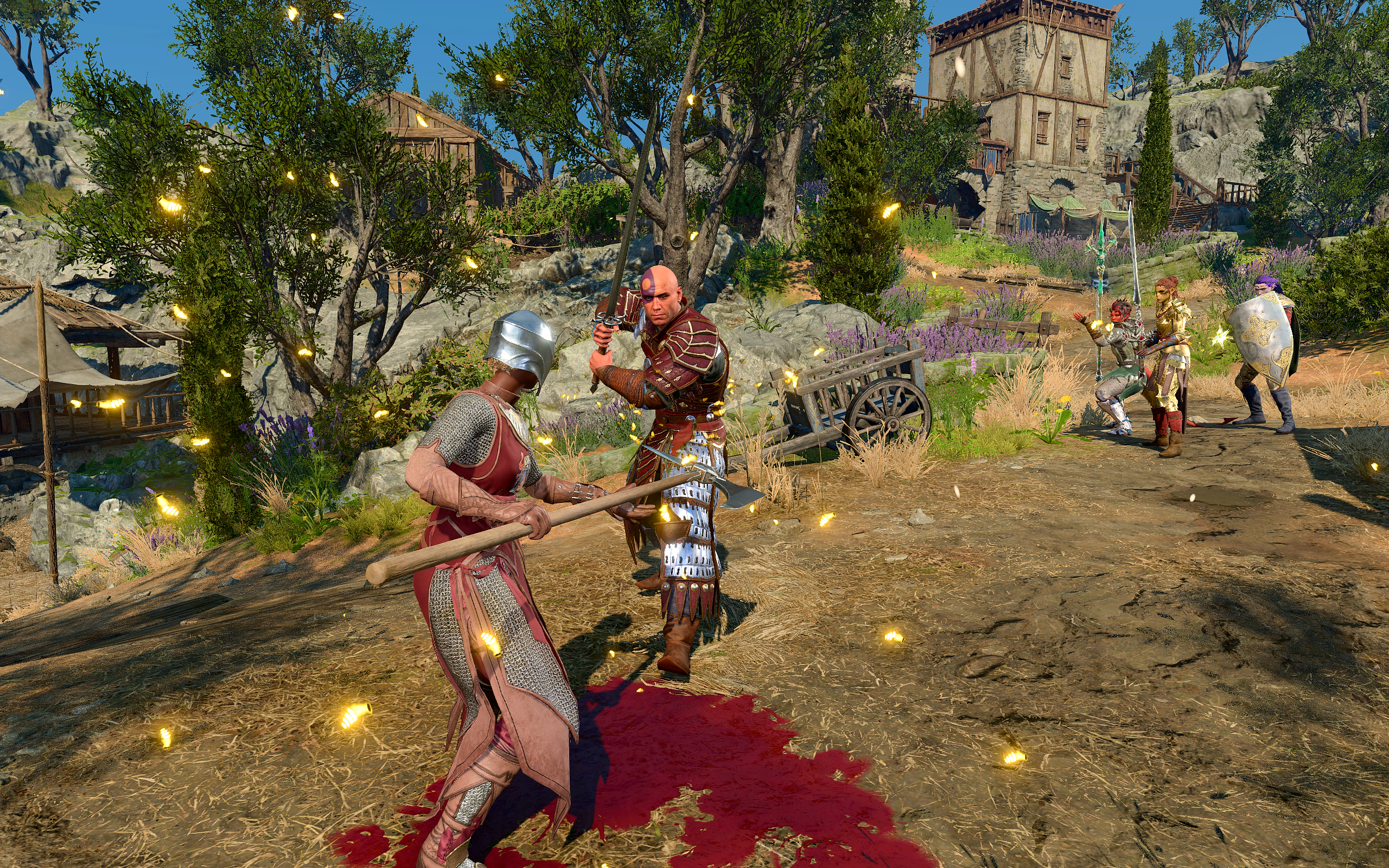
Publishers remained reluctant, however, and Oster notes that the launch of Larian's Baldur's Gate 3 didn't necessarily help other developers get singleplayer RPGs greenlit. "Now everybody's like, 'Oh, well, sure, RPGs will sell a lot, but they have to be huge, and you've got to put a ton of money into them, and you've got to have seven romanceable characters and full fidelity conversations, and it's got to be all performance captured and super high-res.' You're like, 'Yeah, I'm not sure about that.'"
I suggest that, after so long spent chasing his own Baldur's Gate 3, Oster must have mixed feelings about Larian's new pop cultural dominance. "I don't really get jealous about things," he says. "I'm like, 'Hey, you guys had the same opportunities we had, but you just happened to have a bunch of capital behind you that allowed you to roll in on it. And then you had enough capital that you're able to execute at a very high scale, and you were able to pay the costs of chasing the vision that you had.'"
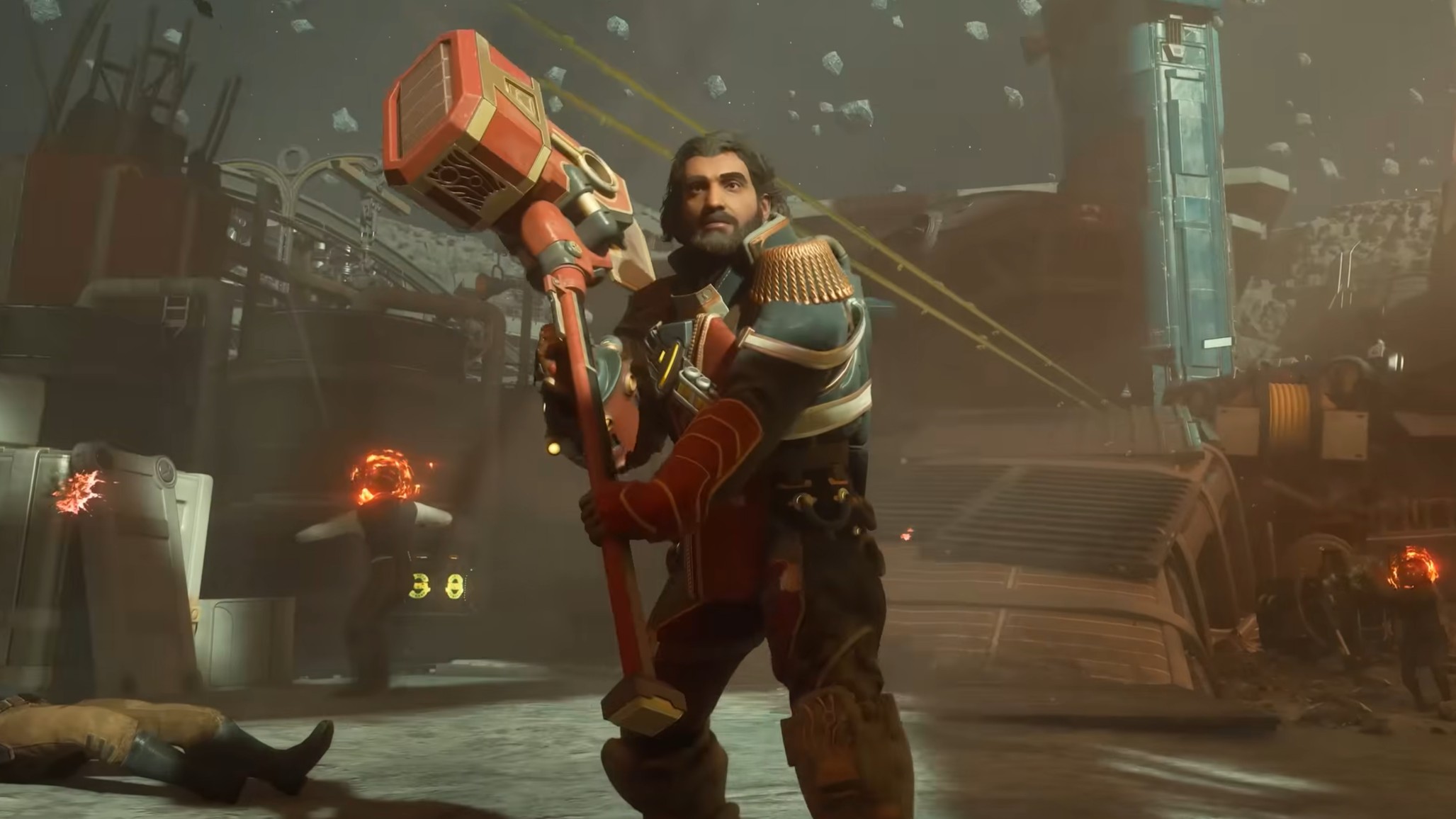
Today, much of Beamdog's staff are wrapped up in co-development with Obsidian, with whom they worked on Avowed and The Outer Worlds 2. There's something poetic about these two would-be Baldur's Gate 3 studios banding together to make singleplayer RPGs regardless. "It's kind of neat," Oster says. "It's like having a big brother, and you can peek in. Working with Obsidian, we've run across a lot of things that they did better than we ever did. And it's like, 'Oh wow, that's really smart, we're totally stealing that.'"
It's just a little too mainstream and acceptable right now.
Trent Oster
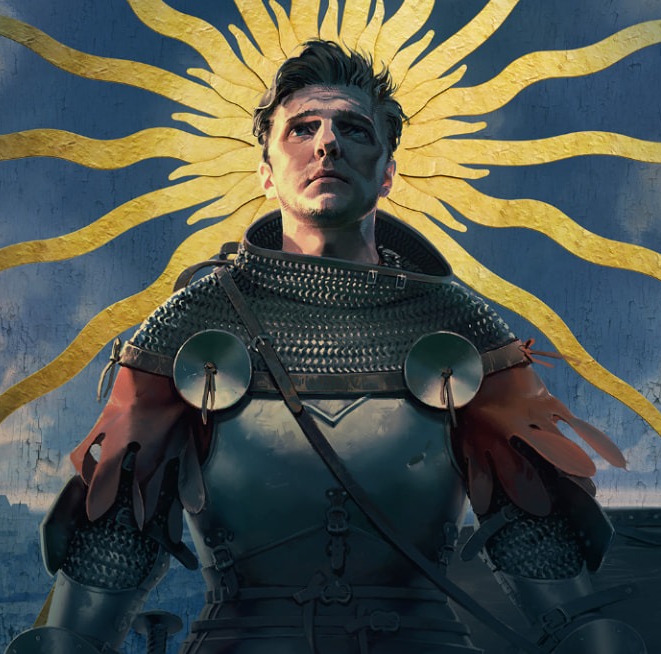
Meanwhile, a small team within Beamdog tinkers quietly with new experiments. Oster talks with enthusiasm about emergent design, and tabletop D&D campaigns that go sideways after the party burns the starting tavern down.
"I was waxing nostalgic the other day, and describing playing D&D as a kid to somebody," he says. "I liked it when it was weird and dangerous. You were talking about demon summoning and hell and the hierarchy of devils, and you didn't want to tell too many people because they might get freaked out by it. It felt like you were in this little subsection of society. It's just a little too mainstream and acceptable right now. I want to lean into something like that."
2026 games: All the upcoming games
Best PC games: Our all-time favorites
Free PC games: Freebie fest
Best FPS games: Finest gunplay
Best RPGs: Grand adventures
Best co-op games: Better together
Sumber: PC Gamer