
Para peneliti memprediksi kekurangan permintaan memori yang begitu besar sehingga setengah dari kapasitas DRAM global aktual tahun ini tidak akan menutupi kebutuhan ekstra
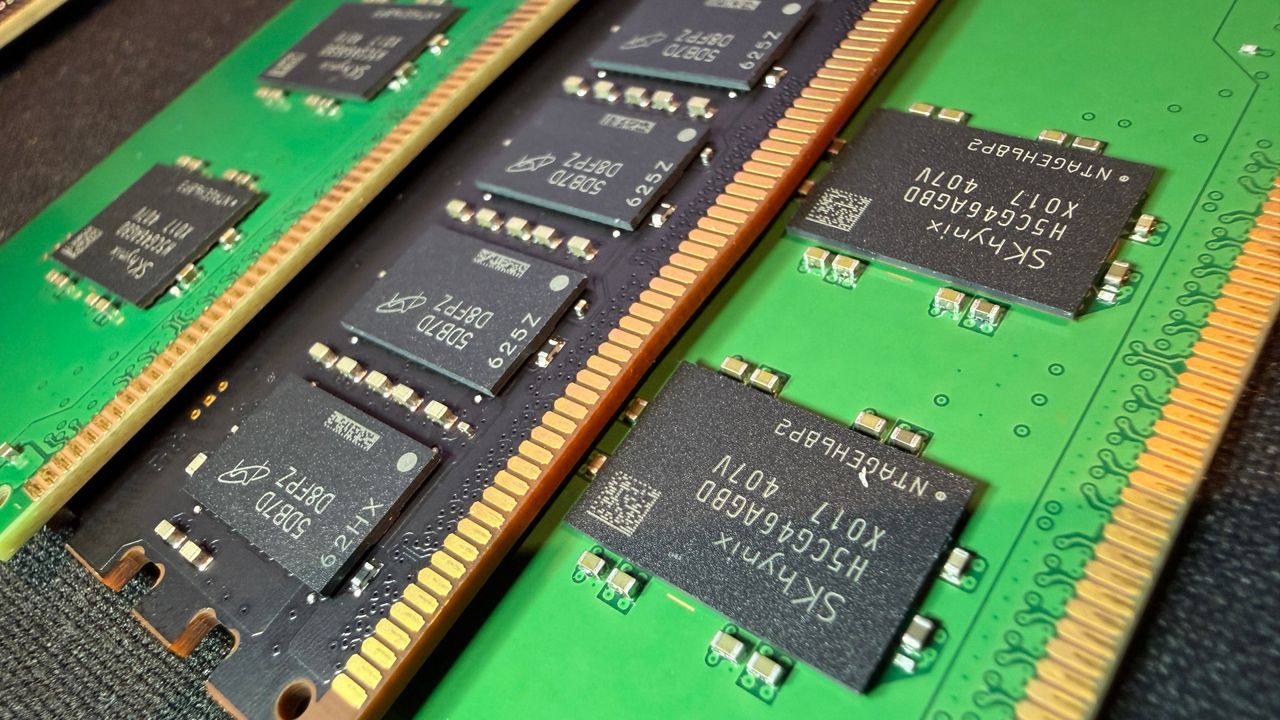
Hari ini saya melaporkan bahwa pembuat memori Tiongkok, seperti CXMT, sedang meningkatkan produksi mereka secara besar-besaran, dan diperkirakan akan terus mengikuti Micron dalam output bahkan pada akhir tahun ini. Tapi tunggu, jangan terlalu bersemangat, karena riset yang sama yang menghasilkan angka-angka tersebut juga memprediksi "tekanan DRAM 2030" sesuai dengan peringatan CEO SK Hynix sebelumnya dalam pekan ini.
Seperti yang disampaikan oleh peneliti Citrini, Zephyr di X, bahkan pada tahun 2030 dan memperhitungkan peningkatan pasokan dari China, masih akan ada kekurangan. Permintaan DRAM masih akan melebihi pasokan—dan bahkan tidak akan terlalu dekat.
Defisit pasokan akan tumbuh dari 18% menjadi 25% pada tahun 2030 https://t.co/6Hngmgszc8 pic.twitter.com/EJX6vUkQM513 Juli 2026
Riset Citrini memprediksi kekurangan 28,7 exabyte (EB) dari total permintaan global sebesar 157,5 EB. Angka keseluruhan mencakup HBM serta DRAM, tetapi "DRAM umum tetap menjadi hambatan utama."
Lebih dari itu, mengingat mereka belum memodelkan permintaan AI fisik (seperti humanoid atau mobil otonom), Zephyr mengatakan: "meskipun estimasi permintaan DC & AI saya terlalu tinggi (padahal tidak), permintaan itu akan seimbang dengan permintaan AI fisik."
Jika angka-angka itu juga terlihat besar, itu karena memang begitu. Perkiraan saat ini menunjukkan bahwa tahun ini akan mencapai kapasitas global sebesar 40 EB DRAM. Itu tidak jauh lebih besar dari kekurangan—permintaan yang belum terpenuhi—yang diprediksi akan kita lihat pada 2030. Produksi semakin banyak, permintaan semakin tinggi.
Satu hal yang membuat perut saya mual adalah melihat, dalam grafik, bagaimana bagian permintaan konsumen yang diharapkan lebih kecil daripada bagian permintaan yang belum terpenuhi. Permintaan konsumen tentu saja berarti permintaan untuk produk seperti RAM stick bagi orang seperti Anda dan saya, bukan untuk server besar.
Misalnya, Zephyr lagi: "Saya memperkirakan defisit 25% untuk pasar DRAM secara umum. 91 EB/tahun pasokan versus 120 EB/tahun permintaan. DRAM ASP akan tetap tinggi dan kemungkinan akan tetap berada di kisaran $1,5/Gb-$2,0/Gb."
Tentu saja, selalu ada kemungkinan bahwa inovasi terkait efisiensi AI dapat membantu memperbaiki situasi dan mengurangi permintaan. Algoritma TurboQuant yang baru dikembangkan oleh Google, misalnya, menjanjikan pengurangan overhead memori sebesar 6 kali lipat. Meskipun apakah perkembangan seperti ini benar-benar mengurangi permintaan atau hanya membuka ruang untuk lebih banyak AI juga masih menjadi pertanyaan terbuka.
Sumber: PC Gamer