
Desainer pencuri Randy Smith Evergreen menolak bekerja untuk Xbox karena itu seperti 'berjalan melewati pasak dengan tengkorak manusia' dan berpura-pura 'mungkin tidak masalah ke arah ini'
🌐 Konten masih dalam Bahasa Inggris. Terjemahan sedang diproses.
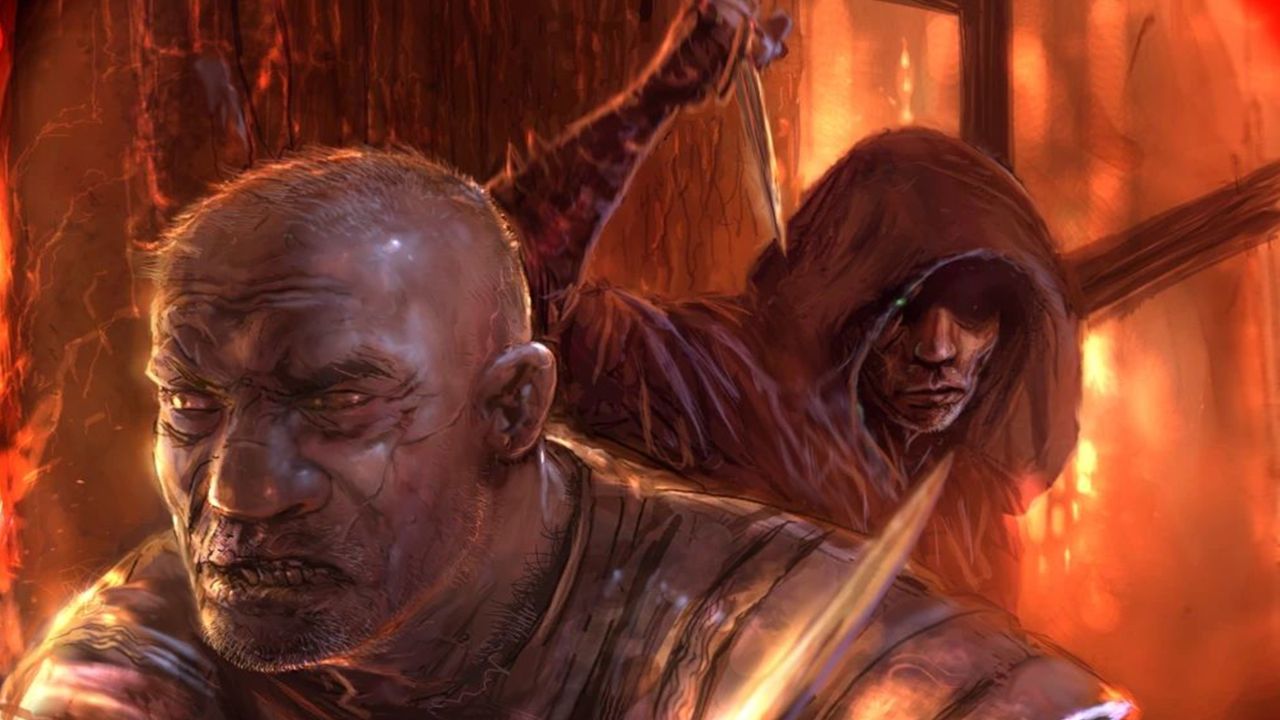
Randy Smith Evergreen had been pitching the idea to publishers for a while. A nonviolent RPG, in tune with the values of the Looking Glass games he worked on in the '90s, about a young American woman searching for her missing uncle in Eastern Europe. But the publishers weren't biting. Often, they'd tell Smith Evergreen how much they loved the Thief games he'd helped create, and he'd wonder whether he ought to just be pitching a spiritual sequel to that seminal stealth series instead. Then, Microsoft came calling.
"I had an opportunity to work for a studio that's funded by Xbox, and this was at the lowest moment of our funding search when we were like, 'This might not happen, we might need to think about how to feed our families in some other way,'" he recalls. "I held on—and ultimately it worked out, and I got a funded project—in part because I felt hesitancy to work for a Microsoft-backed studio. I think the recent layoffs at Microsoft showed that there was some wisdom to that decision."
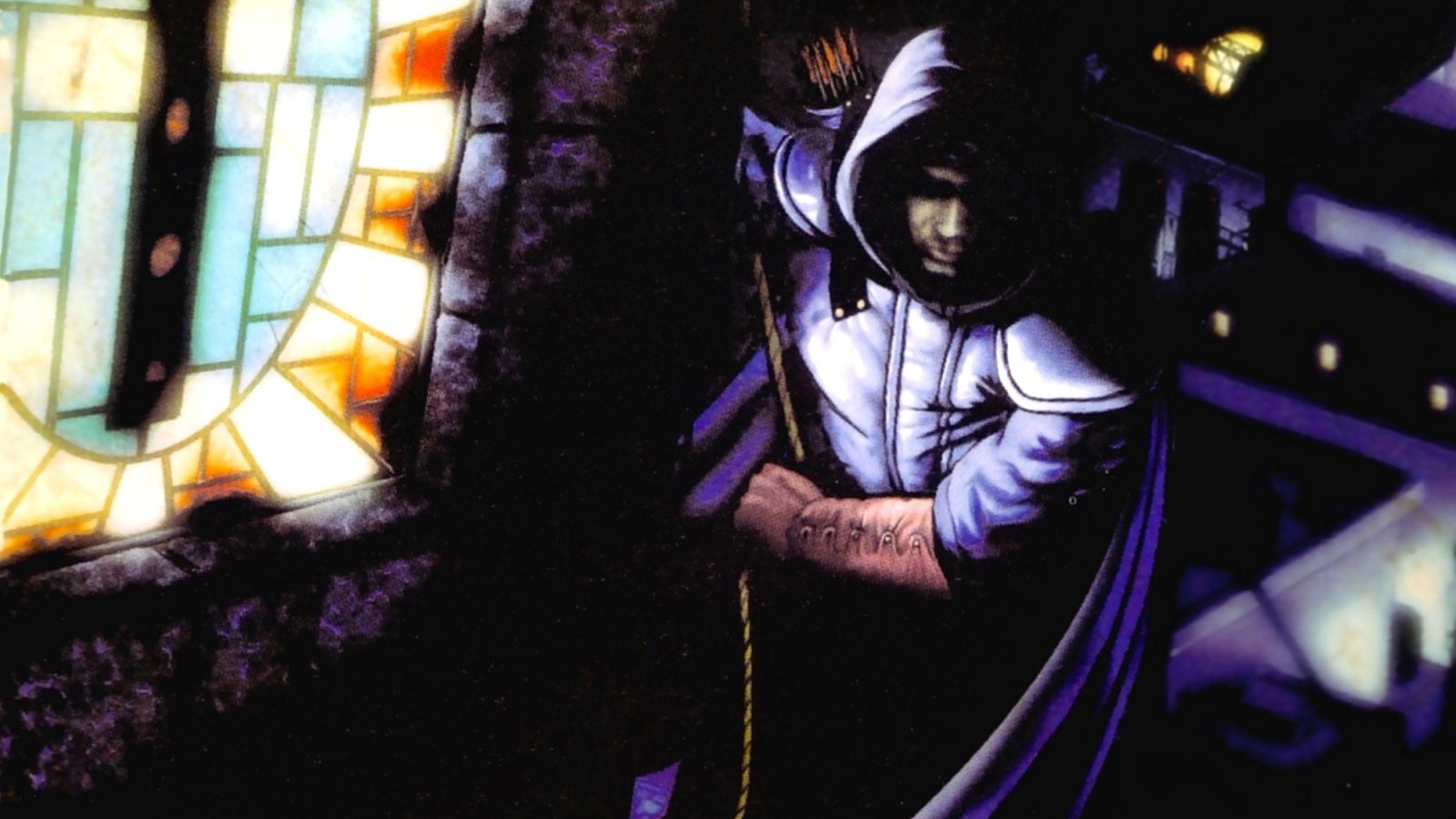
I ask Smith Evergreen where that hesitance came from—positing that it might have something to do with the fact that, over the decades, Microsoft's track record for keeping its studios open has been terrible. "You just answered your own question," he says.
For Xbox to buy them and quickly turn around in a few short years and dissolve the studio was just a pretty dire warning.
Randy Smith Evergreen
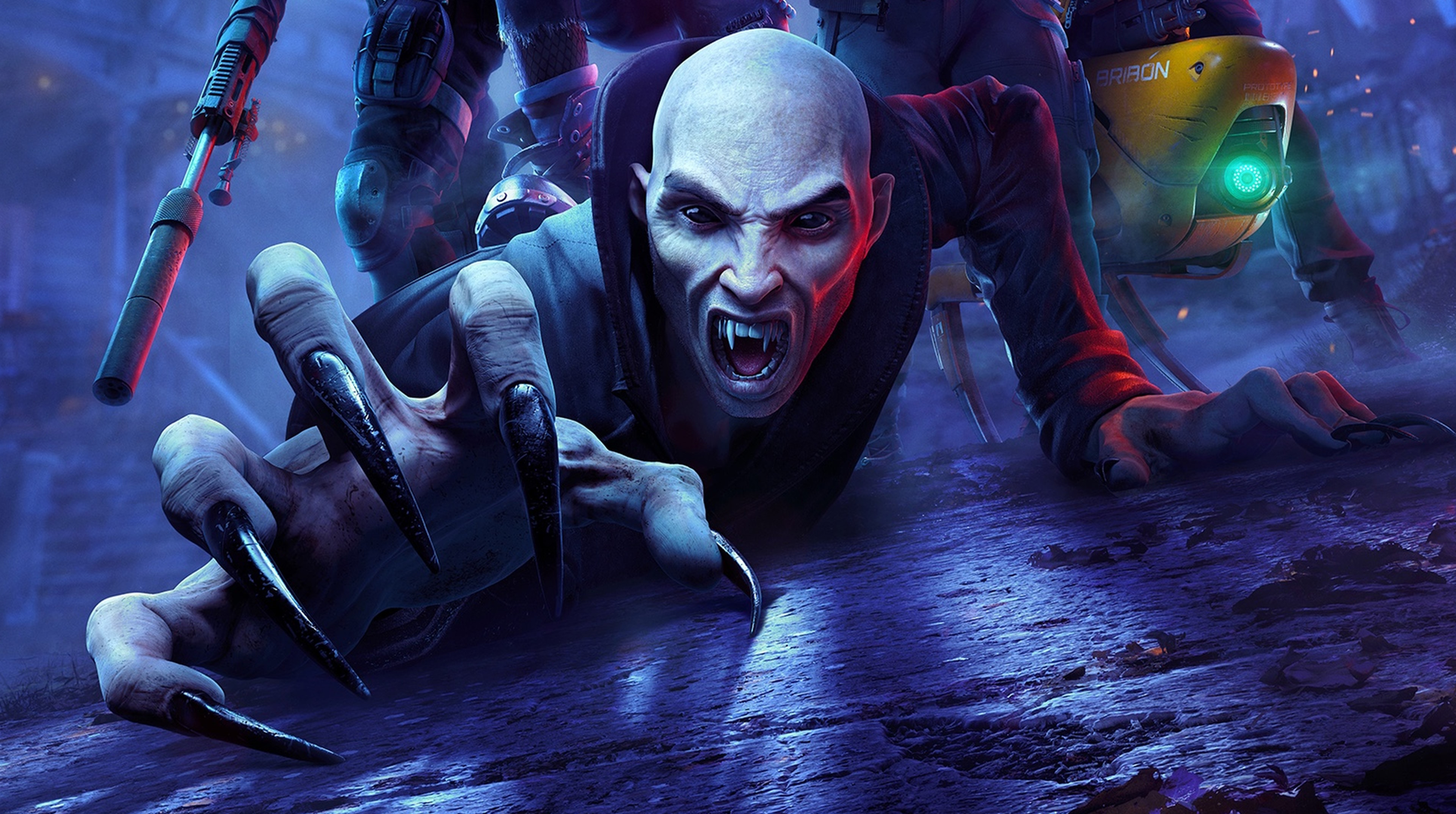
By the time Smith Evergreen had to make a decision about whether or not to join Xbox, the company had already shut down Arkane Austin—the Dishonored and Prey studio that, more than any other, had stuck fast to the design principles, worldbuilding and atmosphere of the Thief series.
"I have countless friends who worked there or were the founders of that studio, and I know the high quality work that they're capable of. And I know the tortured history of their last project, Redfall, and that its shortcomings weren't entirely attributable to the talent in that studio," Smith Evergreen says. "For Xbox to buy them and quickly turn around in a few short years and dissolve the studio was just a pretty dire warning. To take a job with them at that point would be like walking past some stakes with human skulls on them and being like, 'It's probably fine in this direction'. And I did consider it, but I'm glad I ultimately went a different way."
Smith Evergreen has "snatched success out of the jaws of defeat", starting a new indie studio to work on an unannounced game that evolved out of the original nonviolent RPG pitch. "It's quite different [from] that, but some of the mechanics of that larger indie RPG were prototyped, and I took what I thought would be most commercially successful and reduced its scope and changed quite a few other things as well," he says. "And that was the new pitch that ultimately got accepted. With some additional modifications that were proposed by the party who ultimately funded us."
Smith Evergreen's team jumped through a lot of hoops in order to loosen those purse-strings. "But where it is today is great," he says. "In our case, it did not torture the concept out of desirability. It's still a great game that we're excited to work on."
A common trait among game developers is that they thrive under limitations. Many of the medium's innovators have found ways to squeeze magic through a tight funnel of technical and financial constraint, all while navigating the demands of their paymasters. But Smith Evergreen points out that not all interference is welcome or productive.
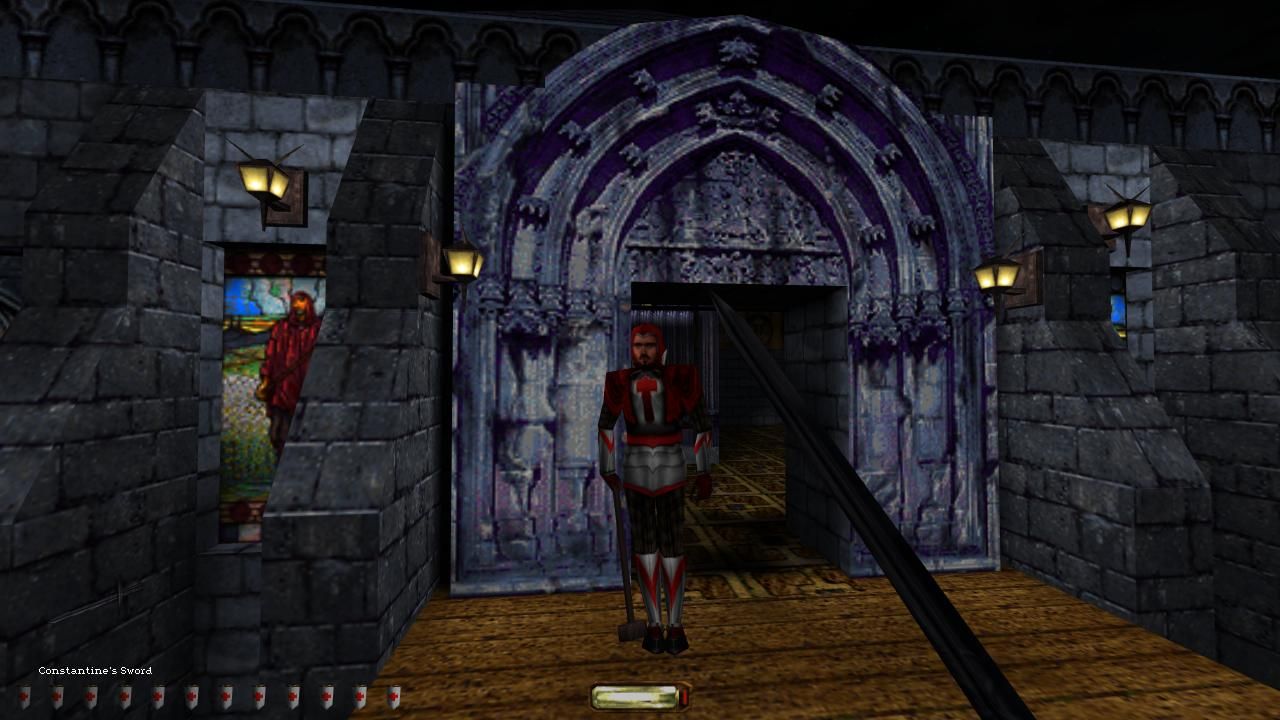
"There have definitely been places in my past where I have felt unwanted pressure from people who are backing the game," he says. "I think a notable version would be the Thief series, especially Thief: Deadly Shadows, where Eidos pushed us to make the game a little bit more violent than we were interested in. And you can debate whether that's good feedback or not.
"My own inclinations might have been to rely so heavily on stealth when I was working on the Thief series that it wasn't accessible to a larger market, and their feedback maybe made it more accessible. But at the same time, I think there was a little bit of, at that time, Eidos wresting some creative control away from us."
It was Eidos who decided the game should be given the slightly daft and bloodythirsty subtitle of Deadly Shadows. "They didn't want to call it Thief 3, and they did want to emphasise murder," Smith Evergreen says. "The team wasn't stoked about that."
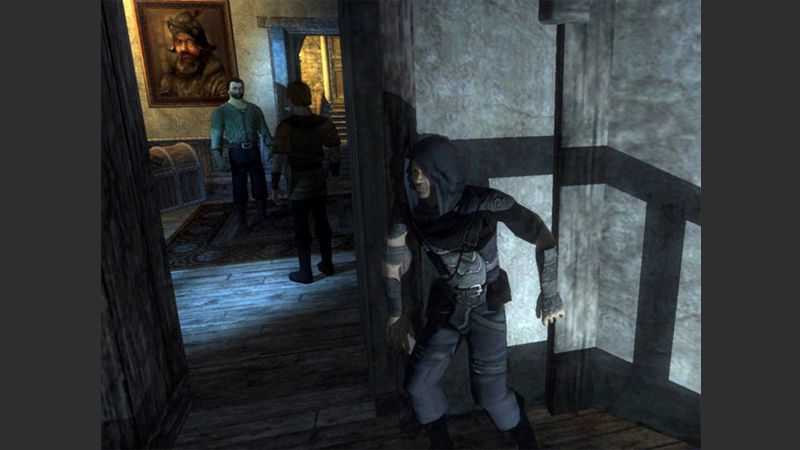
Thief: Deadly Shadows was a AAA game at the time of its release in 2004. But since then, the costs involved in making a AAA game that meets modern standards have increased exponentially. So much so that Smith Evergreen believes the immersive sim genre no longer belongs in big-budget development.
"I think that might be a misread for the audience size of immersive sims," he says. "It's hard to know how an immersive sim wins the arms race to be AAA. And so there's quite a few of us who think the way to do it is to be triple-I or double-A. You're talking about a three to $10 million budget, a passionate team led by some of us folks who have experience with immersive sims or newcomers who just played a lot of immersive sims and really get it, making something that's a little bit smaller, more passionate, and can be made more quickly."
The original Thief cost $3 million to make, Smith Evergreen points out. "If you did it today, it'd be cheaper because the engine already exists, and you can get a lot of the functionality you need by just buying it off the shelf in the asset store. It's not clear to me that the $3 million dollar Thief or Deus Ex-style immersive sim that you want to make in the year 2026 is going to sell disproportionately different amounts of copies than the $250 million one that comes out of a big studio."
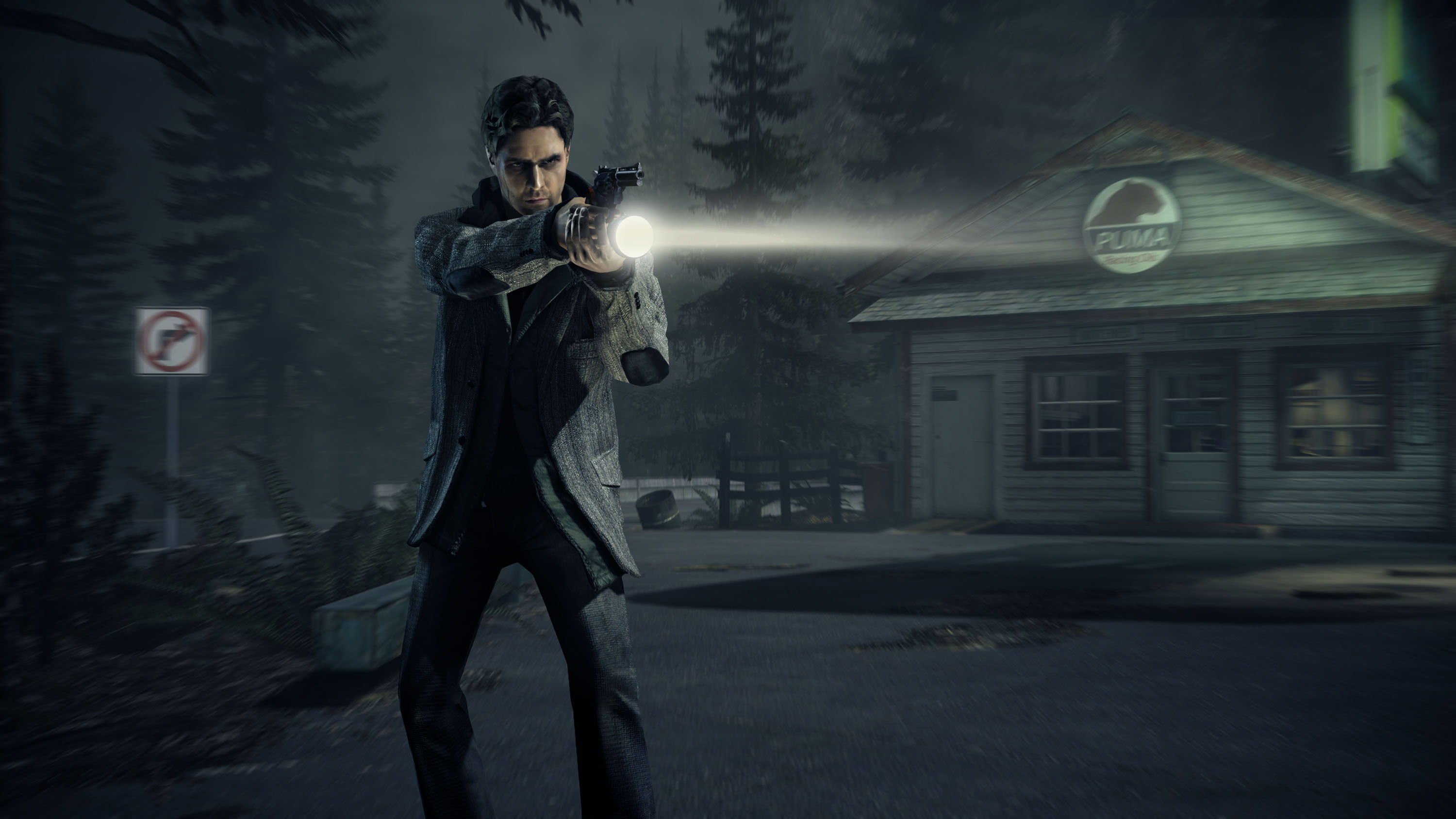
There's only so much fidelity a game needs, Smith Evergreen suggests. "I remember back when Alan Wake came out I was like, 'OK, this is relatively photoreal. I know 100% that I'm on a ferry. I see that I'm going to an island in the Pacific Northwest. Why do we need more graphics?' Because they just cost a ton."
Why do we need more graphics?
Randy Smith Evergreen
So long as the graphics are good enough to establish an imsim's vibe, says Smith Evergreen, that's enough. "Would fans prefer an immersive sim that's got insane spectacle and gorgeous, Arkane Lyon quality vistas? Of course they would like that. But is it necessary for what you come to an immersive sim for? I'm not as sure that it is."
Smith Evergreen is not the only respected game director I've interviewed recently who has struggled to get a new game off the ground. Dragon Age's David Gaider is fighting to fund a heist game. And Wyrdsong, the new RPG from Fallout 76 lead Jeff Gardiner, appears to have suffered death by a thousand cuts during the publisher pitching process.
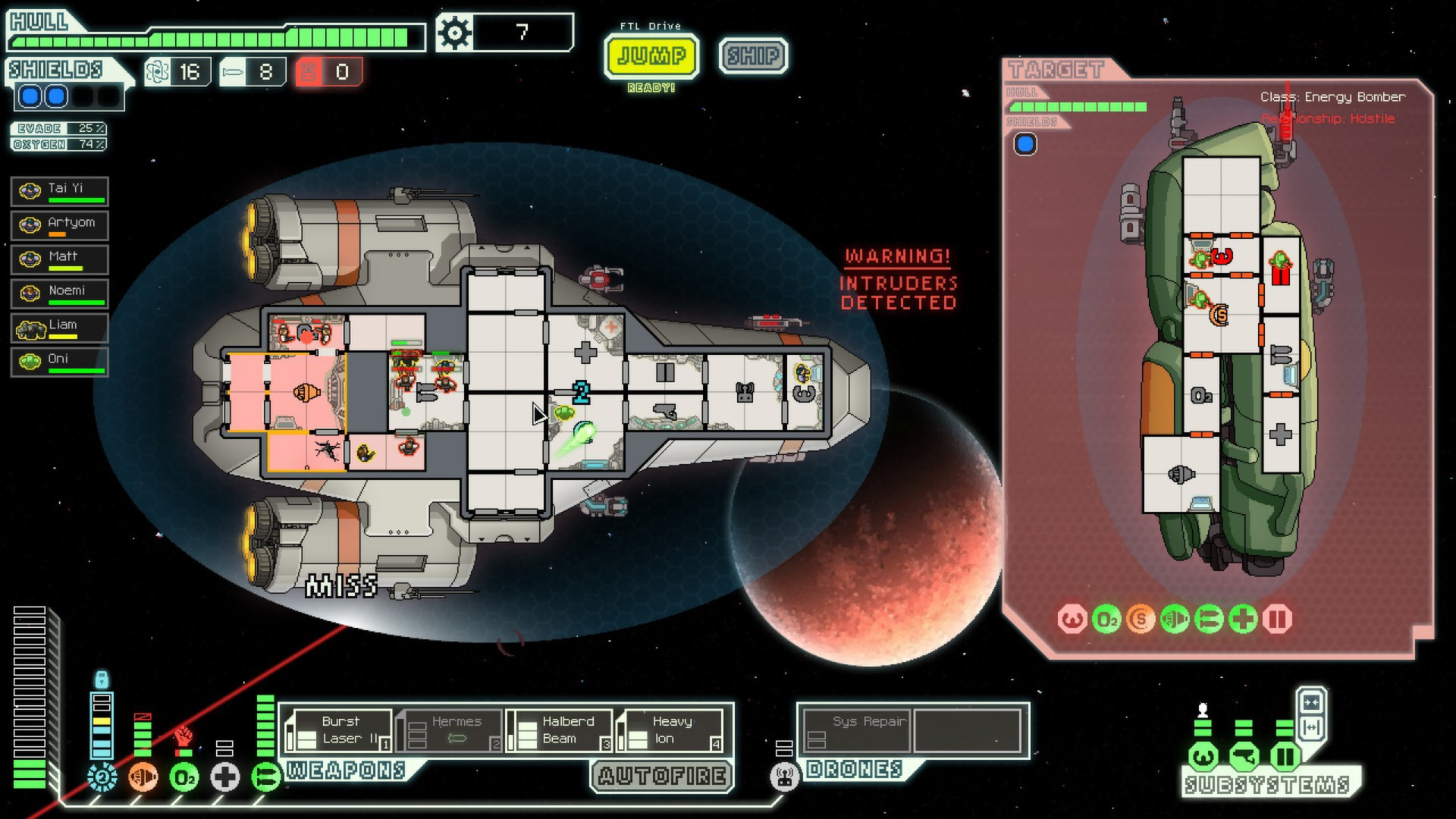
The games market has been flooded with content. As a consequence, Smith Evergreen says, "There are games that people work on that just never get touched." Venture capitalists hunt for AI-driven projects and games-as-a-service to throw their money behind, while indies jostle to break through with dazzling new ideas.
"It's kind of like the same evolutionary path that the dinosaurs went through after the asteroid hit the Earth," Smith Evergreen says. "They went from an arms race to be bigger, to an arms race to be smaller. And if you think about it, a lot of the most beloved indie games of the past 30 years—FTL is one example—were cheap, fast, scrappy games that just had amazing gameplay and great creativity. And that's the direction I think a lot of things need to go right now, especially in the indie space. They need to be high quality content, but not enormous production budgets."
Meanwhile, Thief is going through something of a belated renaissance. A Nightdive-enabled remaster of The Dark Project is coming, alongside a graphic novel set between the first two games in the series. "I used to say that when I played Dishonored, that was the first time I ever played a Thief game," Smith Evergreen says. "Because when you make a game, it's just a totally different experience than having played it. But I feel like enough time has passed since I played Thief: The Dark Project that playing a remaster will probably feel very fresh for me. So I'm excited about that."
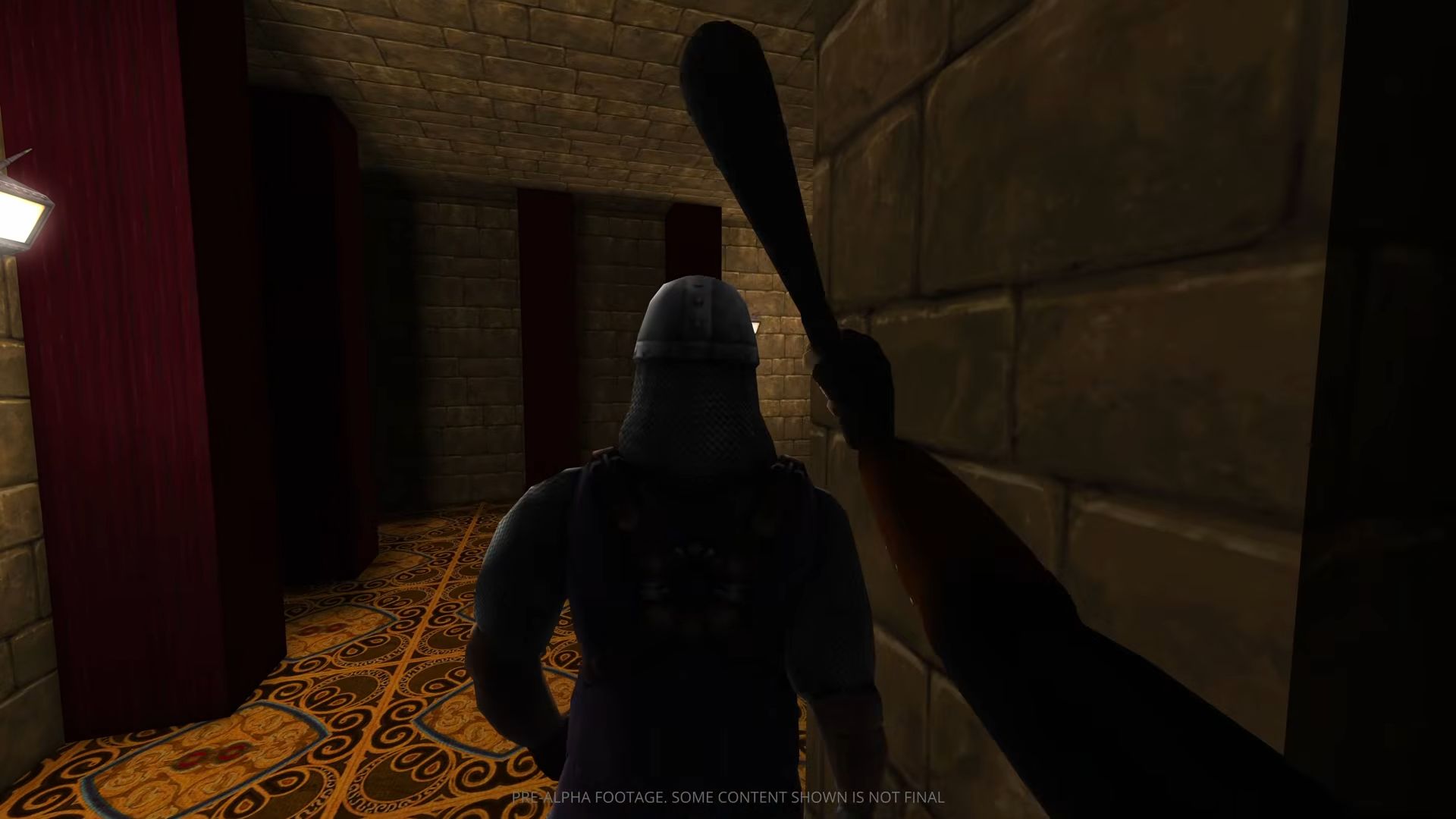
If Smith Evergreen were ever to be tempted back to the Thief series in the future, it would be to work on a low-budget entry that bypassed "spending infinite amounts of time on fancy art and rendering problems".
"I would not be super excited to work on a huge budget immersive sim Thief reboot," he says. "Working on these giant budget games, there's a little bit of torture to it. It takes a very long time. It's a messy process, especially for immersive sims—it can be very hard to find their centre before the moment when you need to build tonnes of content. There are just all these reasons that, as a creator, it's a challenging thing. And challenges are awesome, but not all challenges are equally fun."
2026 games: All the upcoming games
Best PC games: Our all-time favorites
Free PC games: Freebie fest
Best FPS games: Finest gunplay
Best RPGs: Grand adventures
Best co-op games: Better together
Sumber: PC Gamer