
Crossfire sebenarnya adalah penembak singleplayer kedua yang dinamai Counter-Strike Korea—dan yang terakhir dibuat oleh Remedy
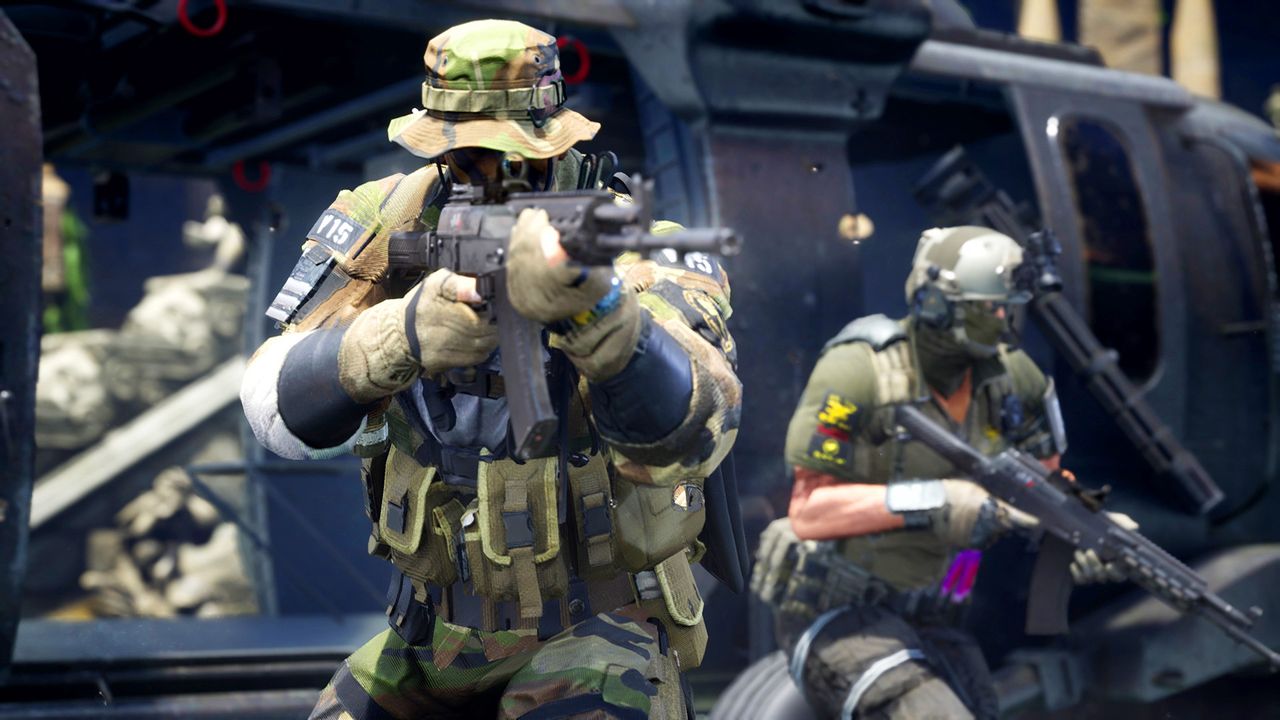
Weird Weekend adalah kolom Sabtu reguler kami di mana kami merayakan keanehan game PC: game aneh, hal-hal sepele yang aneh, sejarah yang terlupakan. Kembali setiap akhir pekan untuk mencari tahu apa yang menjadi terobsesi Jeremy, Josh dan Rick kali ini, apakah itu ketinggian kanon Garrett Pencuri atau saat seseorang di Vatikan membajak Manajer Sepak Bola.
Salah satu pengumuman yang lebih menarik untuk shooterhead musim panas ini adalah Crossfire. Milsim baru dari pikiran di balik penemuan ulang hebat terakhir Call of Duty—reboot Modern Warfare 2019—ia menawarkan mekanik sampul yang inovatif dan hubungan emosional yang berkembang antara dua pemeran utama dalam kampanyenya. Akhirnya, ide baru dalam pemotretan solo arus utama.
Atau apakah itu? Crossfire didukung oleh Smilegate, penerbit yang dijadikan kaya oleh FPS multipemain yang sudah berjalan lama yang kadang-kadang disebut sebagai Counter-Strike Korea. Nama game itu juga Crossfire. Dan ternyata, ia mendapat mode pemain tunggal yang berbeda hanya beberapa tahun yang lalu. Dari Remedy, pemimpin industri yang tak terbantahkan di Finnish Weird.
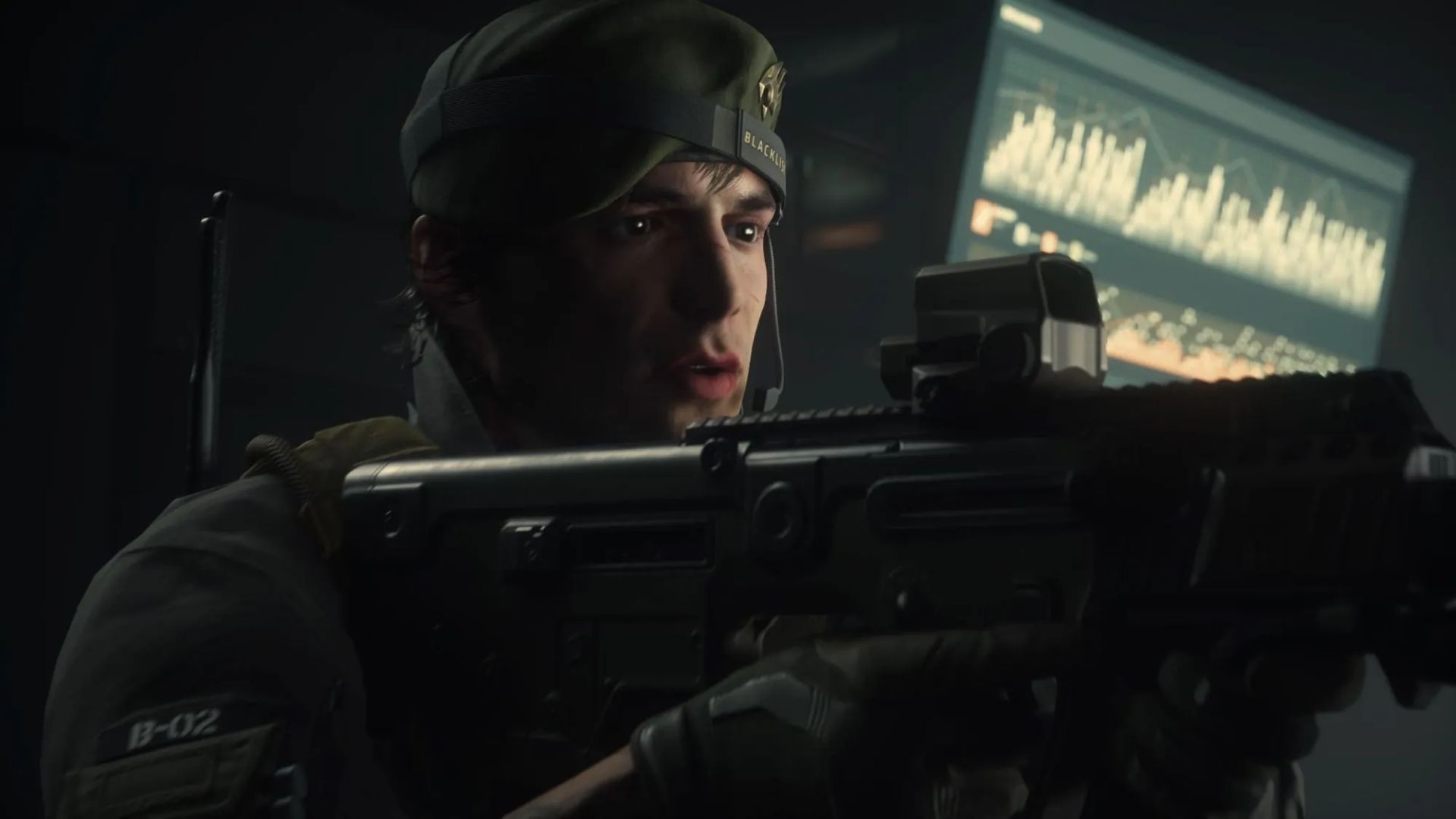
Itu benar: keanehan kesayangan Sam Lake menghasilkan sepasang kampanye FPS tiga jam dengan kuat dalam model Call of Duty. Ada sesuatu yang sangat menarik tentang prospek ini—melihat gaya penceritaan lapangan kiri studio yang terkenal dibatasi oleh konvensi penembak tontonan militer. "Saya tidak pernah menjadi pemimpi," cerita Kapten Hall di menit-menit awal kampanye pertama. "Dalam pekerjaan ini, imajinasi aktif dapat membunuhmu."
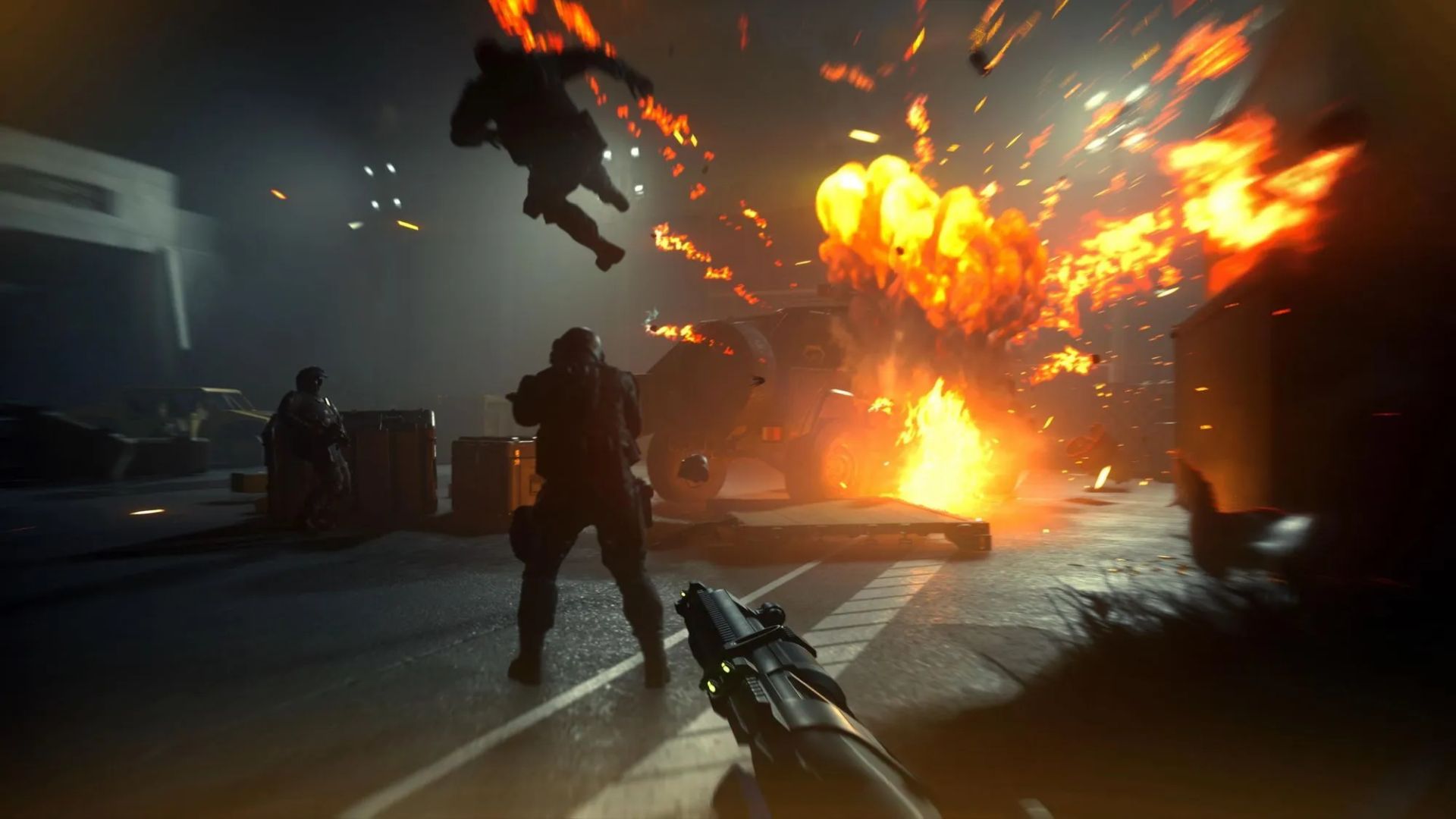
Proyek ini bernama CrossfireX, dan sebagian besar berlatar di negara yang tidak stabil secara umum dengan cita rasa Eropa Timur yang samar-samar. Di sana, Anda terlempar di antara baku tembak dari jalan ke jalan, biasanya dengan setidaknya satu regu lain—yang memberi tahu Anda ke mana harus pergi dan siapa yang harus ditembak. Anda tidak lima menit sebelum kecelakaan helikopter pertama Anda. Dan dalam apa yang mungkin dianggap sebagai penghormatan kepada Max Payne, Anda dapat mengaktifkan bentuk waktu peluru sederhana pada interval yang sangat sering.
Menonton playthrough CrossfireX di YouTube, saya tidak bisa tidak teringat pada Darkplace karya Garth Marenghi—serial TV Inggris parodi di mana, leluconnya, episode diolesi dengan gerak lambat untuk memenuhi waktu tayang yang diharapkan. "Apa pun tanpa dialog dipertimbangkan untuk gerakan lambat," kata Richard Ayoade pada saat itu—masa depannya sebagai raksasa dalam Fable jauh di depannya. Saya bertanya-tanya apakah, dengan menekan tombol waktu peluru cukup kali, Anda juga dapat memperpanjang kampanye pendek CrossfireX secara signifikan.
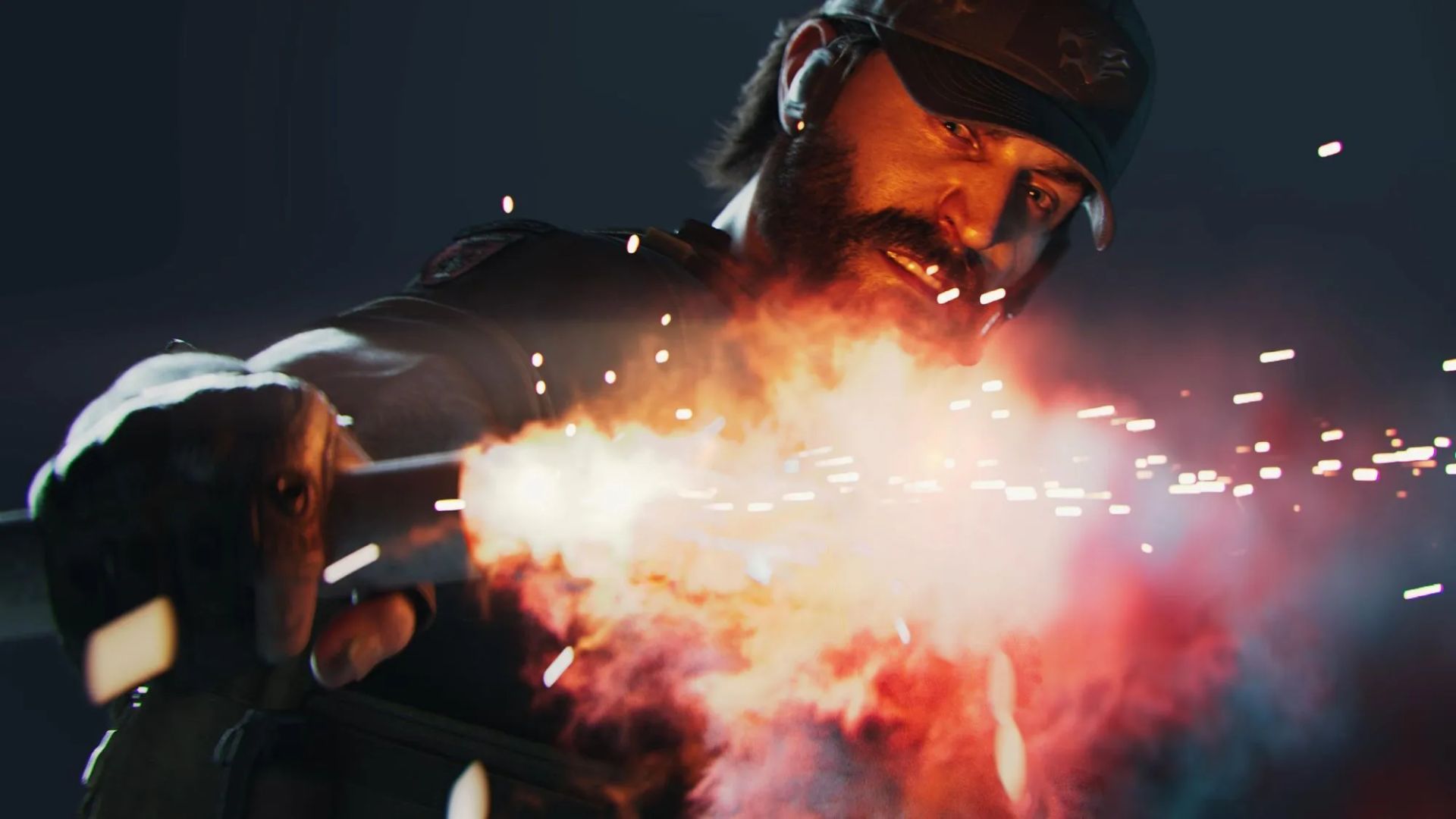
Ada beberapa bagian cerdas dari desain setpiece: pada satu titik, pasukan Anda berkelahi di dapur hotel, peluru berdering dari panci dan wajan yang menggantung, yang berosilasi liar di bawah benturan. Tapi kemudian, satu kalimat dimulai: "Hotel ini mendapat ulasan kotor dari saya," teriak Private Moralez. " Layanannya menyebalkan!" Dari sudut pandang nada, Remedy tampaknya telah memutuskan bahwa kehalusan khasnya tidak termasuk dalam kunjungan singkat ke alam semesta Crossfire ini, di mana dua faksi yang bersaing bernama Global Risk dan Black List. Melodrama menguasai hari, dan sampai tingkat tertentu rasanya seolah-olah tugas kampanye hanya untuk memberikan momen badassery—postur kosong yang dapat secara langsung melengkapi bombastis multipemain.
Melodrama menguasai hari, dan sampai tingkat tertentu rasanya seolah-olah tugas kampanye hanya untuk memberikan momen badassery.
Namun, apa yang mengikuti level pertama itu adalah kilatan Obat vintage. Pada saat itu, Kapten Hall tidak sadarkan diri, berkeliaran melalui rendering rumahnya sendiri yang seperti mimpi. Rel kereta kayu melintasi kamar anak-anak, saat seorang reporter radio bergumam dengan tidak jelas tentang risiko serangan teror. Sebuah foto yang tidak pada tempatnya menggambarkan semua rekan satu tim Hall—minus seorang anggota yang menjadi MIA di akhir misi terakhir. Tangga dari pendaratan membentang, gaya Backrooms—lampu dinding berulang berkali-kali dari yang seharusnya.
"Saya kembali ke rumah," cerita Hall. "Rumah saya, istri saya Evelyn dan anak-anak. Tapi semuanya terasa salah, miring, seolah-olah itu adalah ingatan orang lain tentang rumah saya." Ini sangat mirip dengan mimpi buruk Max Payne—jika Max sibuk melafalkan subteks dengan lantang.
Wajah Evelyn muncul di TV layar lebar di ruang tamu, berbicara dengan kesombongan yang tidak pantas yang mengingatkan pada seorang aktor dalam iklan pasta gigi. "Kami profesional. Kami tahu siapa pun dapat menangkap peluru, apakah itu yang bernama Anda atau yang hanya ditujukan 'kepada siapa yang mungkin bersangkutan,'" dia menyeringai. "Kami tahu betapa mudahnya untuk tidak pulang. Anda hanya tinggal di sana, dan Anda melewatkan hari Minggu sore yang malas, di pesta ulang tahun, dan pergi ke toko hewan peliharaan. Saya tidak tahu. Lutut berkulit, angin topan, pemakaman. Semuanya."
Ini adalah penjajaran yang benar-benar menakutkan antara fantasi piket putih dengan horor surealis—membangkitkan sejarah panjang David Lynch dan Remedy sendiri dalam menerangi televisi dengan citra yang menarik. Siapa yang bisa melupakan pemrograman Max Payne di dunia seperti Address Unknown, Lords and Ladies, Dick Justice, dan The Adventures of Captain BaseBallBat-Boy?
Namun, tak lama kemudian, Anda kembali ke Azkharzia untuk naik rollercoaster di mana setiap belokan pembuka botol dan martil dapat diantisipasi. Kehilangan rekan dalam misi pertama adalah sesuatu yang klise dari FPS militer—Battlefield 6 mencapai nada yang sama dengan efek yang kurang bersemangat tahun lalu. Demikian pula, di CrossfireX, setiap veteran genre akan dengan cepat mengetahui apa yang sebenarnya terjadi; Mana dari yang diduga mati yang masih hidup, dan siapa di tim yang menyembunyikan sesuatu.
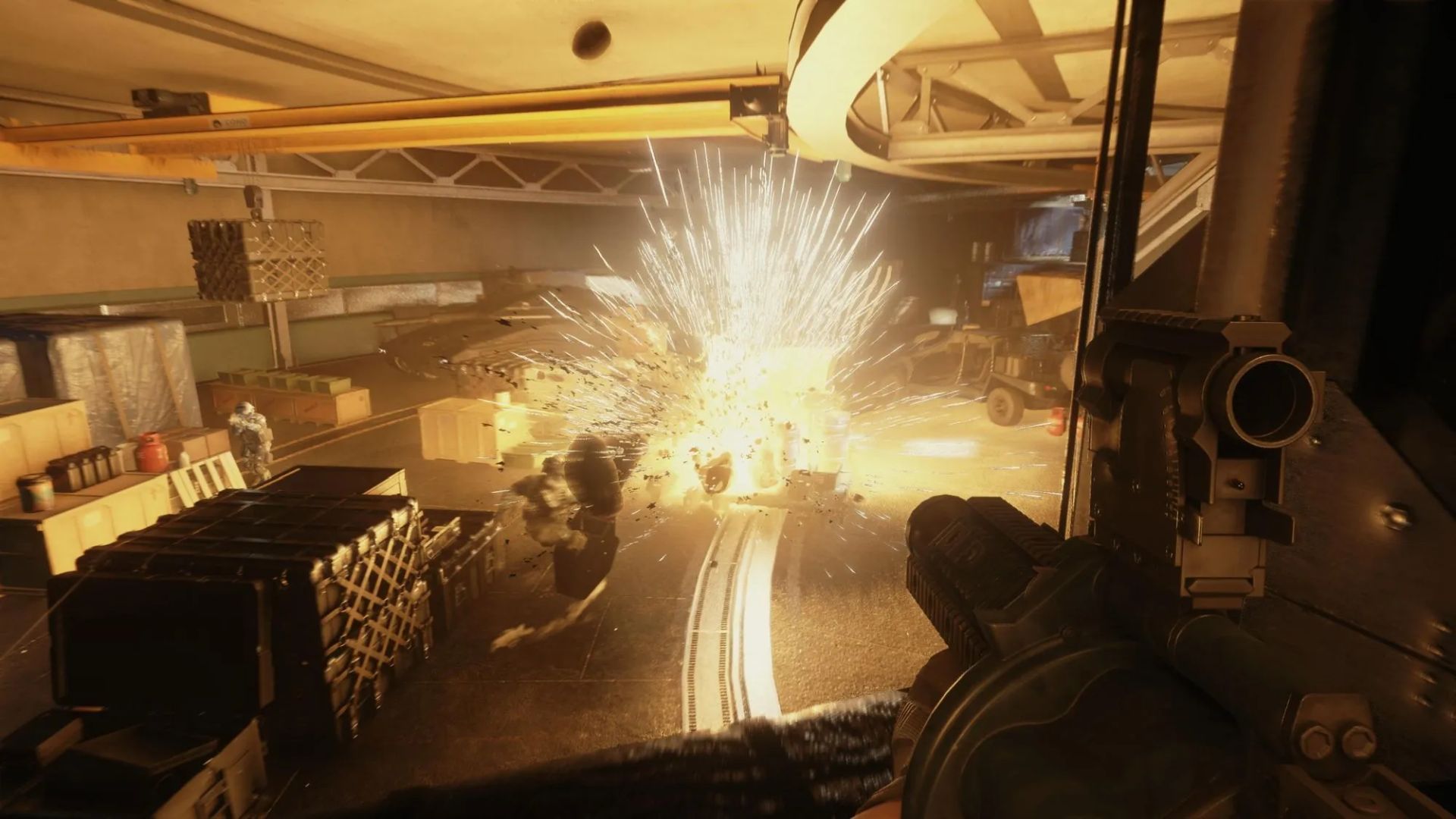
Mungkin dengan lebih banyak episode CrossfireX di bawah ikat pinggangnya, Remedy mungkin telah mencapai langkahnya dan melenturkan lebih banyak kebebasan kreatif. Tapi permainan itu diterima dengan sangat buruk — dan tidak hanya di sisi pemain tunggal. Smilegate bermaksud CrossfireX untuk menjadi pengenalan seri untuk konsol, tetapi akhirnya menutupnya sedikit lebih dari setahun setelah diluncurkan. Seperti kecelakaan helikopter, bencana itu menghancurkan pekerjaan Remedy dengannya.
Itu benar: hal paling aneh tentang kampanye ini adalah bahwa mereka tidak ada lagi. Meskipun sepenuhnya pemain tunggal, mereka ditelan dalam contoh mengerikan lainnya dari sindrom penutupan layanan langsung. Mungkin itu bukan kerugian besar—noda yang tidak mungkin pada rekaman luar biasa dari studio yang telah menghadirkan cerita singleplayer yang mengejutkan selama beberapa dekade. Mungkin mereka melayani peran mereka dalam membantu menjaga studio tersebut tetap bertahan selama salah satu periode paling bergejolak dalam sejarah industri game. Tapi saya tidak keberatan jika, suatu hari, umpan CrossfireX muncul di televisi dalam sekuel Control atau Max Payne—menunjukkan dunia yang lebih luas di luar jangkauan kita.
Sumber: PC Gamer